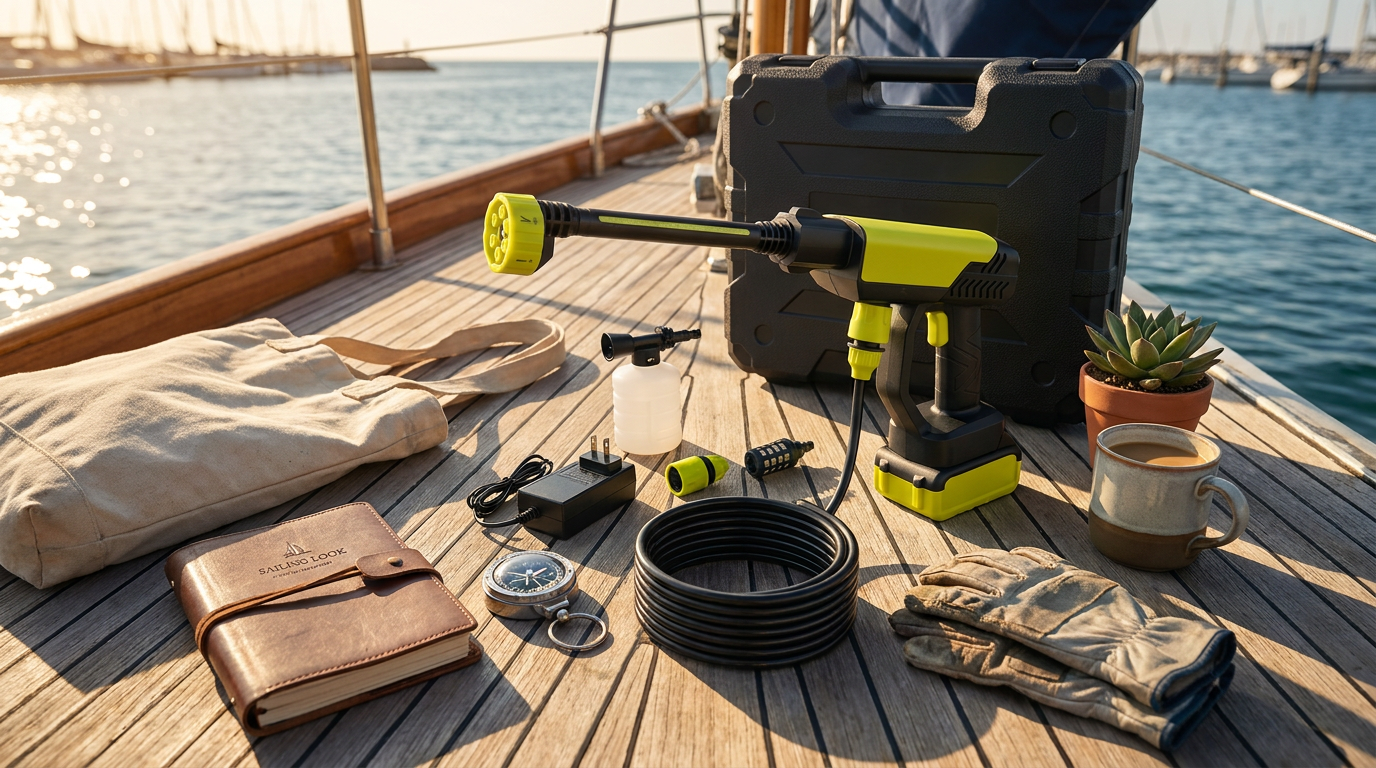
Maintaining Marine Surfaces with Cordless Pressure Washers
 Jordan HaleStaff Writer
June 10, 2026. This narrative explores the logistical shift from heavy corded machinery to portable battery power for marine maintenance. It is written for boat owners and marina residents navigating the unique challenges of salt spray and limited dockside power.
The first thing I noticed was the silence of the morning at the marina, usually broken by the aggressive drone of a gas-powered engine. Standing on a narrow finger pier with the tide coming in, the logistical nightmare of dragging a 50-foot hose and an extension cord across a slippery dock is enough to make any captain defer maintenance. According to Motor Boat & Yachting, the best pressure washers for boats must have an adjustable range that allows a user to dial back the pressure to protect older gel coats, fiberglass, and wood. This nuance is critical; the high-velocity stream that strips a driveway can easily delaminate the delicate layers of a hull if not handled with precision. I keep coming back to the idea that marine cleaning is less about brute force and more about consistent, targeted rinsing. When the salt dries, it crystallizes, creating an abrasive layer that dulls the finish of the vessel. Traditionally, this required a pressure washer that pulls from a bucket or a dedicated dockside hookup, but the transition to lithium-ion technology has changed the physical footprint of the task. The weight of the tool in my hand, usually under four pounds for the most compact units, feels more like an extension of my arm than a piece of industrial equipment.
It turns out that the versatility of these tools extends beyond the hull. Somewhere around week two of testing these units in a marine environment, I realized the primary value isn't just the lack of a cord, but the ability to source water from the environment itself. Power Boating Magazine notes that a compact, lightweight cordless powered water nozzle can connect to a standard garden hose or draw water from any remote source. For a boat owner in a slip without a dedicated spigot, this is transformative. You can drop a weighted intake hose directly into the freshwater lake or a five-gallon bucket of treated water. This portability makes it a cousin to the portable shower for mountain bikes, where the goal is immediate debris removal before it sets. On the dock, this means cleaning off bird droppings, fish scales, and algae from the swim platform before they bake in the sun. The specs found in current market research indicate that these battery-operated jet washes are generating enough pressure to clear salt and grime without the 3,000 PSI overkill that risks blowing out window seals or damaging teak decking. This middle-ground pressure is the same reason many enthusiasts prefer a best cordless pressure washer for cars when dealing with sensitive automotive clear coats. The battery powered pressure washer has evolved from a niche gadget to a primary maintenance tool for those who value the integrity of their fiberglass.
Choosing the right system for a marina environment requires a specific decision framework that prioritizes salt-resistance and runtime. When I’m evaluating a unit for dockside use, I look for a motor that is sealed against the corrosive effects of salt air. The transition from a rechargeable power cleaner for patio use to a marine-grade application demands a focus on the intake filtration. If you are drawing water from a lake or river, a fine-mesh filter on the intake hose is non-negotiable to prevent grit from scouring your gel coat.
Before settling on a specific model, consider this checklist for marine applications:
- Variable Pressure Settings: Ensure the unit has a low-pressure mode for delicate wood and high-pressure for removing barnacle residue from the outboard.
- Source Versatility: The unit must include a siphoning hose that can pull from a bucket or the body of water you are floating in.
- Battery Ecosystem: Match your pressure washer to the batteries you already carry on the boat for drills or vacuums to ensure you have enough runtime for a full hull rinse.
- Weight and Ergonomics: A unit weighing under 4 lbs is ideal for one-handed operation while holding onto a rail with the other.
- Nozzle Variety: Look for a 5-in-1 nozzle that allows you to switch from a wide rinse to a pinpoint stream without swapping parts over the water.
Shop Cordless Pressure Washers here
Sources
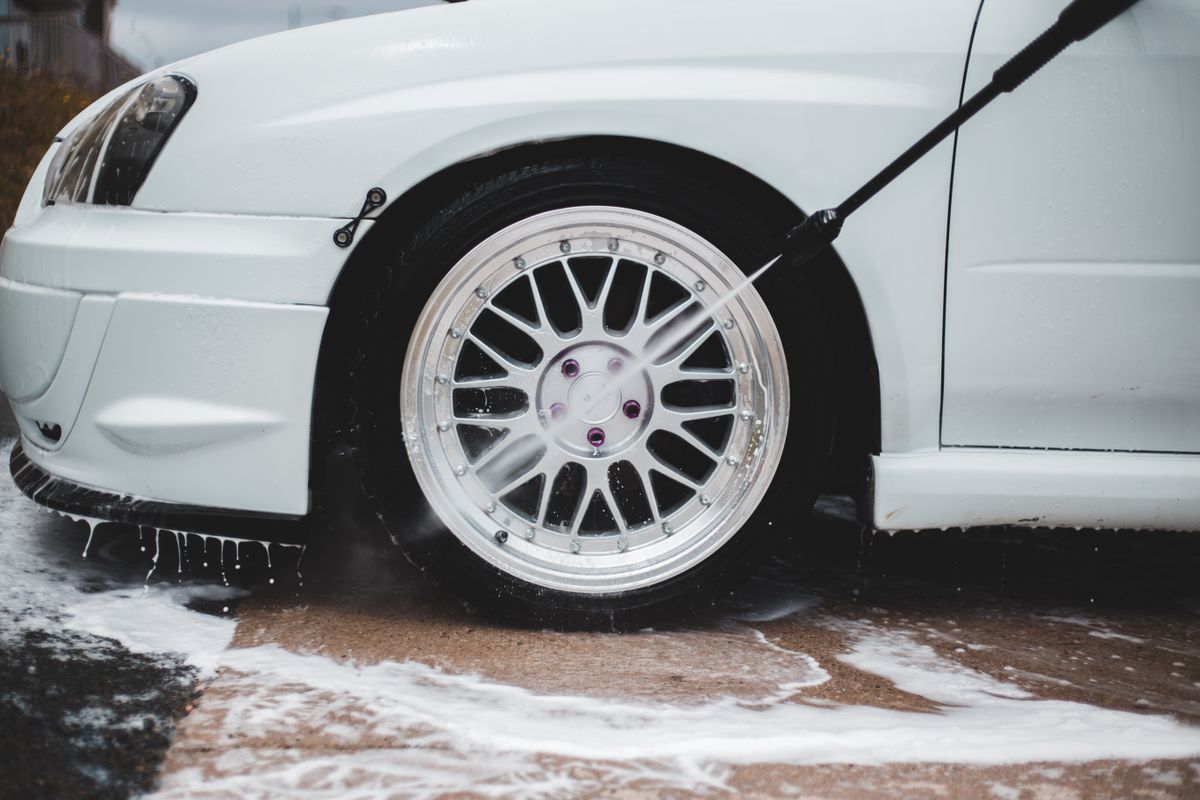
Photo by Erik Mclean on Pexels
- Best pressure washers for boats: 8 top options for a thorough clean ...
- Portable Pressure Washer - Power Boating Magazine
- Boat Cleaning with a Battery Powered Portable Pressure Washer