Can Cordless Pressure Washers Draw Water From a Bucket?
 Jordan HaleStaff Writer
July 31, 2026 — Most modern cordless pressure washers are specifically designed to draw water from static sources like buckets using a self-priming pump and a weighted siphon hose.
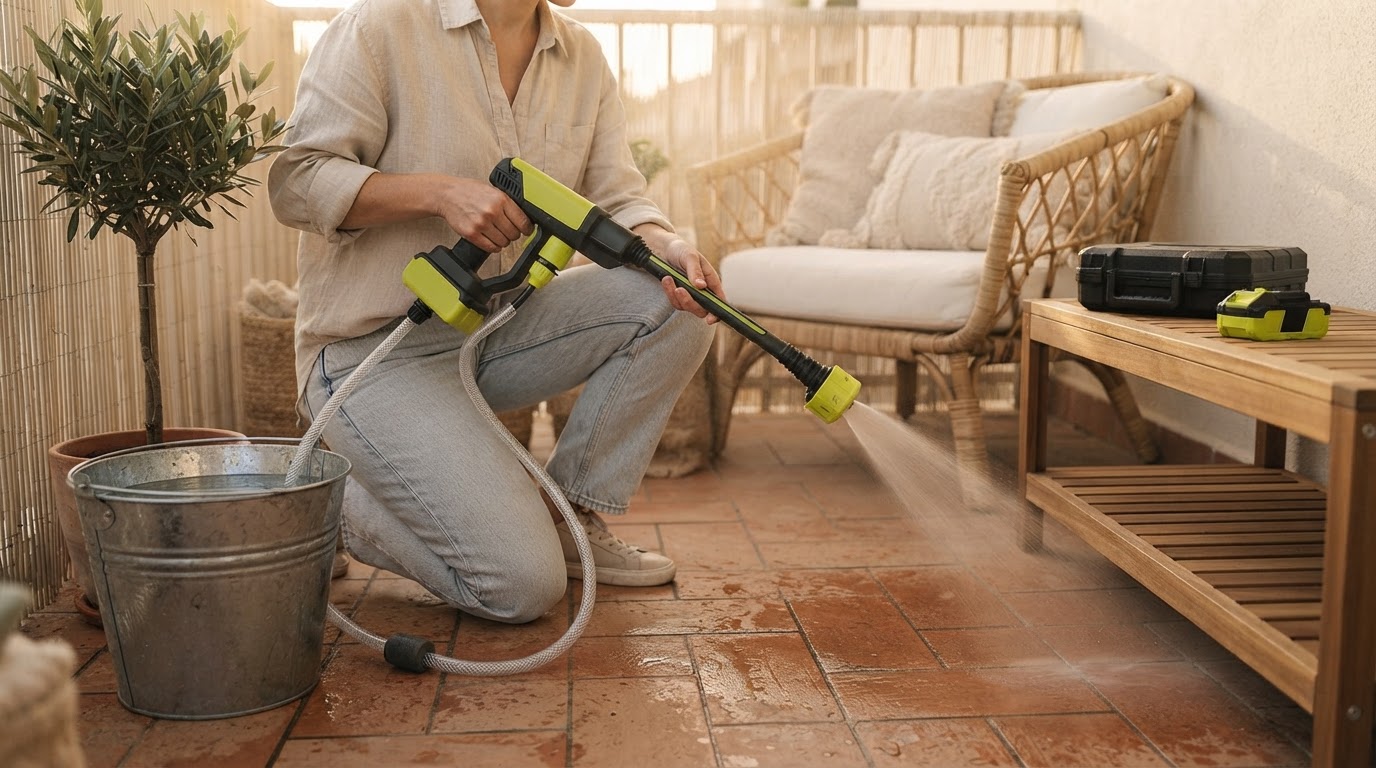
The first thing I noticed was the silence. When I set a five-gallon bucket on my apartment balcony and dropped in the weighted filter of a handheld cleaner, there was none of the mechanical grinding I expected—just a soft hum as the motor pulled water upward. This capability is the primary reason car enthusiasts and apartment dwellers choose these tools, as it eliminates the tether of a traditional garden hose.
How does the siphon mechanism work in handheld units?
Handheld cordless pressure washers utilize a self-priming internal pump that creates a vacuum to pull water through a reinforced siphon hose. Popular Mechanics notes that many of these units include a 25-foot siphon hose with a built-in filter, allowing users to draw from buckets, rain barrels, or even lakes when a faucet is unavailable. When I first clicked the hose into the quick-connect port, it felt remarkably light, weighing only a few pounds even with the battery attached. It turns out that the efficiency of the draw depends heavily on the vertical distance between the bucket and the tool; keeping the bucket on the same level as the sprayer ensures consistent pressure.
What are the performance limits when using a bucket?
Photo by Nothing Ahead on Pexels
While drawing from a bucket offers maximum portability, the performance is generally capped between 300 and 900 PSI depending on the specific model. Expert discussions on PNW Dirt Talk indicate that certain electric units from brands like Sun Joe or Worx can successfully pull from a bucket to deliver 1-2 gallons per minute (GPM). Somewhere around week two of testing, I realized that while this isn't enough to strip paint from a deck, it is the sweet spot for rinsing road salt off a mountain bike or cleaning mud from wheel wells. The flow remains steady as long as the intake filter stays submerged and free of debris, which is why the weighted end included with most kits is so critical.
Quick answers
Q: How long will a 5-gallon bucket last during cleaning? A: At a standard flow rate of 0.8 to 1.2 GPM found in most cordless units, a 5-gallon bucket provides roughly 4 to 6 minutes of continuous spray time. This is typically enough to perform a detailed rinse on a standard-sized sedan.
Q: Can I use pool water or lake water in my cordless unit? A: Yes, provided the unit has a filtered intake hose like those cited by Popular Mechanics to prevent sand or algae from entering the pump. Always flush the system with fresh water afterward to prevent internal corrosion from chemicals or minerals.
Q: Do I need to prime the hose before starting the motor? A: Most modern handheld units are self-priming, but you can speed up the process by holding the gun at a lower elevation than the bucket for the first few seconds. This helps the pump overcome the initial air pocket in the siphon line more quickly.
If you require even more mobility without a separate bucket, consider choosing cordless pressure washers with integrated tanks. For those working in specific environments, such as docks or piers, maintaining marine finishes with cordless pressure washers provides tailored advice on salt-water mitigation.
Learn more about Cordless Pressure Washers at https://cordlesspressurewasher.com.
Sources
Photo by Tima Miroshnichenko on Pexels
- LITHLABO Cordless Portable Pressure Washer - No Hose Required
- The 5 Best Cordless Power Washers for When Portability is Key
- Electric pressure washer that pulls from a bucket?