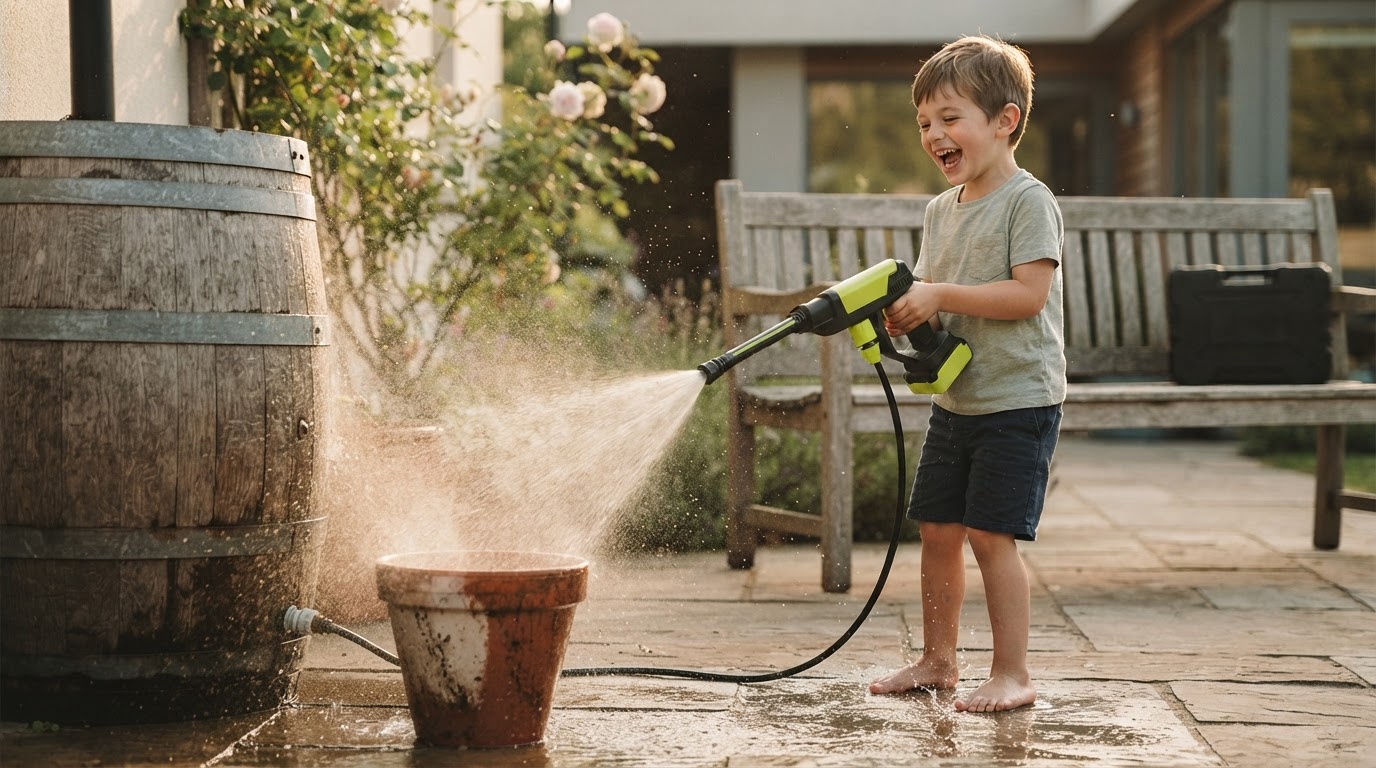
Can I use Cordless Pressure Washers with a bucket?
 Jordan HaleStaff Writer
August 5, 2026 — Most modern Cordless Pressure Washers are designed with self-priming pumps specifically to draw water from buckets, rain barrels, or natural water sources when a garden hose is unavailable.
The first thing I noticed was the silence of the driveway before the motor kicked in. I was standing next to a five-gallon utility bucket, the siphon hose coiled like a plastic snake at my feet, wondering if this handheld unit could really pull weight against gravity. For apartment dwellers with balconies or boaters at a dry dock, the lack of a spigot is usually the end of the conversation. But with a battery-powered unit, the water source becomes as portable as the tool itself.
How do Cordless Pressure Washers draw water from a bucket?
Cordless pressure washers utilize a self-priming internal pump and a weighted siphon hose to create a vacuum that pulls water from a stationary container. This eliminates the need for pressurized tap water, allowing the device to function anywhere you can carry a bucket. According to Popular Mechanics, these units often include a 25-foot siphon hose with a built-in filter, which is essential for preventing debris from lakes or rain barrels from clogging the internal valves. When I first dropped the weighted end into the water, it took about ten seconds for the air to purge from the line. Once the prime was established, the steady hum of the motor delivered a consistent stream that felt surprisingly robust for a handheld device. This capability is particularly useful for specialized tasks like maintaining hulls with cordless pressure washers, where a traditional hose won't reach.
What is the pressure output when drawing from a bucket?
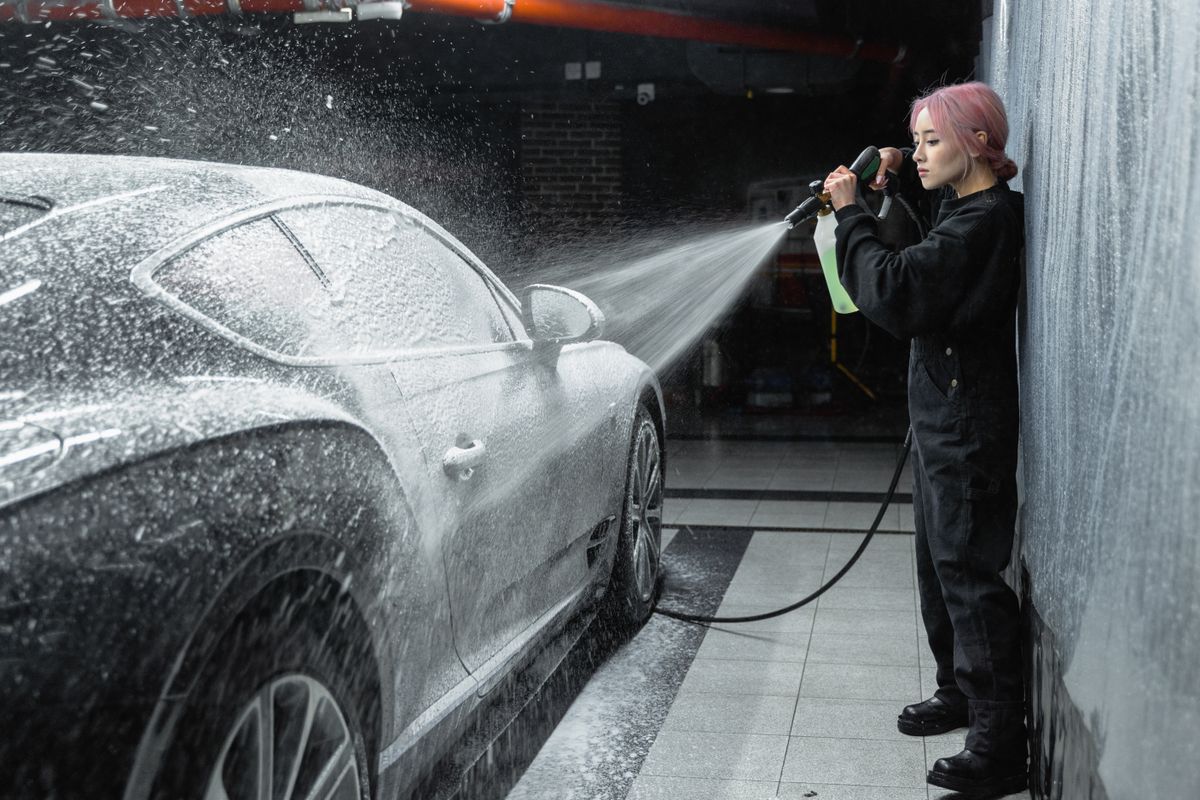
Photo by Tima Miroshnichenko on Pexels
When drawing from a bucket, a cordless pressure washer typically maintains a pressure range between 320 PSI and 900 PSI, depending on the specific motor and battery voltage. While this is lower than gas-powered machines, it is more than sufficient for rinsing salt, mud, and surface grime without damaging delicate finishes. It turns out that even budget-friendly models can be effective; discussions on PNW Dirt Talk highlight that certain Worx and Sun Joe models can pull from a bucket while maintaining a flow rate of 1 to 2 gallons per minute. I found that the 900 PSI threshold is the sweet spot for automotive detailing and marine maintenance efficiencies. The portability trade-off means you aren't stripping paint, but you are cleaning a balcony or a car in a fraction of the time it takes with a sponge. For those managing larger vessels, a cordless pressure washer for boat cleaning provides the agility needed to move around a deck without tripping over a pressurized line.
Quick answers
Q: Do I need a special attachment to pull water from a lake? A: No, most units like the LITHLABO Cordless Portable Pressure Washer come with a dedicated siphon hose that features a weighted filter to keep the intake submerged and clear of silt.
Q: How long will a 5-gallon bucket last during cleaning? A: At a standard flow rate of 0.8 to 1.0 GPM (gallons per minute), a 5-gallon bucket provides approximately 5 to 6 minutes of continuous spray time.
Q: Can I use hot water in the bucket for better cleaning? A: Most cordless units are rated for water temperatures up to 104 degrees Fahrenheit (40°C); exceeding this can damage the internal seals of the pump.
Learn more about Cordless Pressure Washers at https://cordlesspressurewasher.com.
Sources
Photo by Quang Nguyen Vinh on Pexels
- LITHLABO Cordless Portable Pressure Washer - No Hose Required
- The 5 Best Cordless Power Washers for When Portability is Key
- Electric pressure washer that pulls from a bucket?