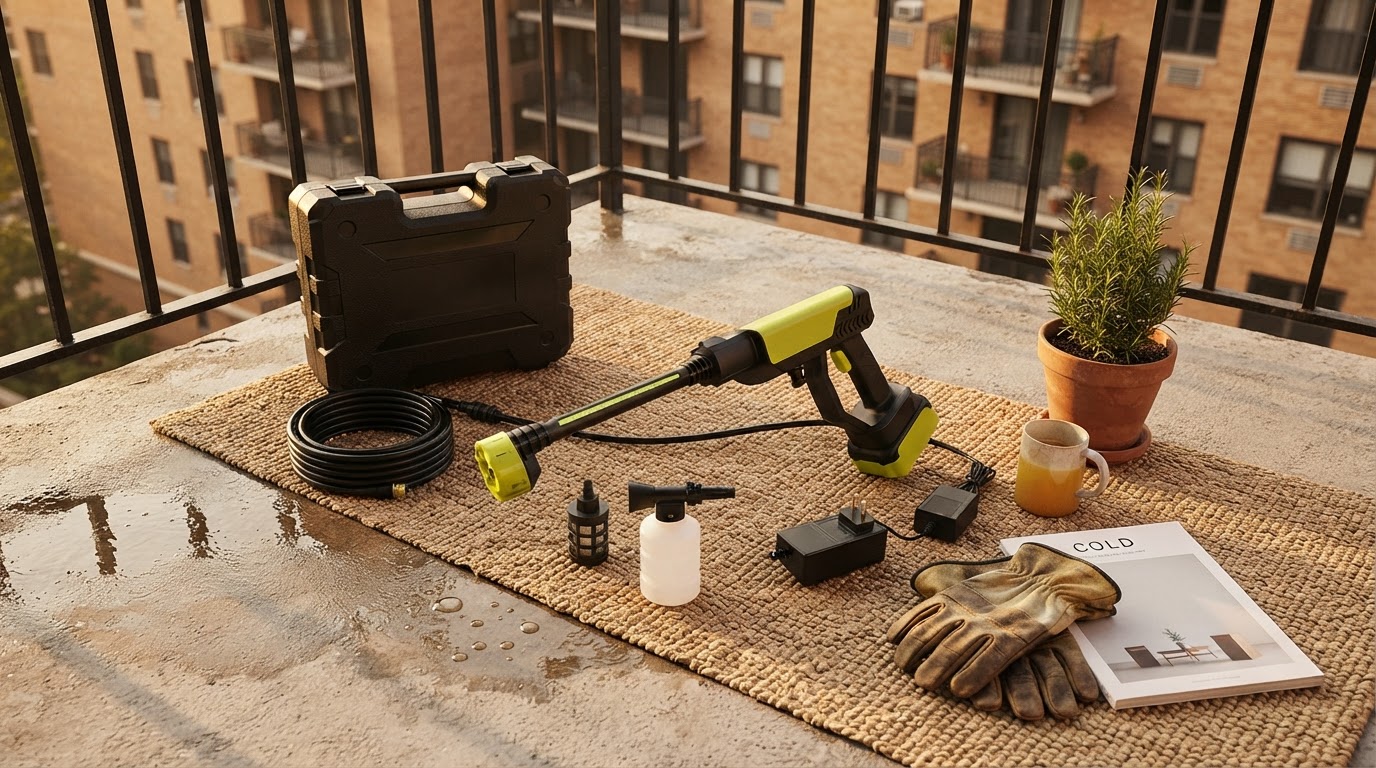
Cleaning Apartment Balconies with Cordless Pressure Washers
 Priya RamanSenior Analyst
August 3, 2026. This technical analysis explores the application of battery-operated cleaning systems for high-density residential maintenance. It is designed for apartment tenants and condo owners seeking to maintain outdoor spaces without access to traditional plumbing. Think of it as a matrix of portability versus output power, where the primary constraints are water access and drainage etiquette. Two axes matter here: the proximity to a water source and the sensitivity of the flooring material. Once you see it this way, the selection of equipment moves from a matter of convenience to a calculated operational decision.
The Constraints of High-Rise Outdoor Maintenance
Maintaining an apartment balcony presents a unique set of logistical hurdles that traditional gas or corded electric pressure washers cannot address. The most significant barrier is the absence of a dedicated outdoor spigot. According to Griffis Residential, cleaning a balcony often requires a mild detergent solution and a method of rinsing that does not saturate the structure or disturb neighbors below. Traditional methods involving buckets and mops are labor-intensive and frequently result in streaks or stagnant water pooling. Furthermore, the physical distance from a ground-floor water source makes standard hose-fed systems impossible for those living on the second floor or higher. As noted in discussions within the Professional Pressure Washing community on Facebook, residents often face the challenge of having a water source located on the opposite side of the building, rendering standard equipment useless without hundreds of feet of hose and significant pressure loss.
Secondary to water access is the issue of water management. High-pressure streams from commercial-grade machines can damage wood decking, strip paint from railings, or force water into the building's envelope, leading to mold or structural decay. For those in rental units, the objective is to achieve a deep clean that removes urban soot, pollen, and bird droppings without violating lease agreements regarding water runoff. This requires a tool that offers controlled pressure levels and a self-priming mechanism, allowing the user to draw water from a static source like a five-gallon bucket or a collapsible tank rather than a pressurized tap.
How Cordless Pressure Washers Solve the Portability Gap
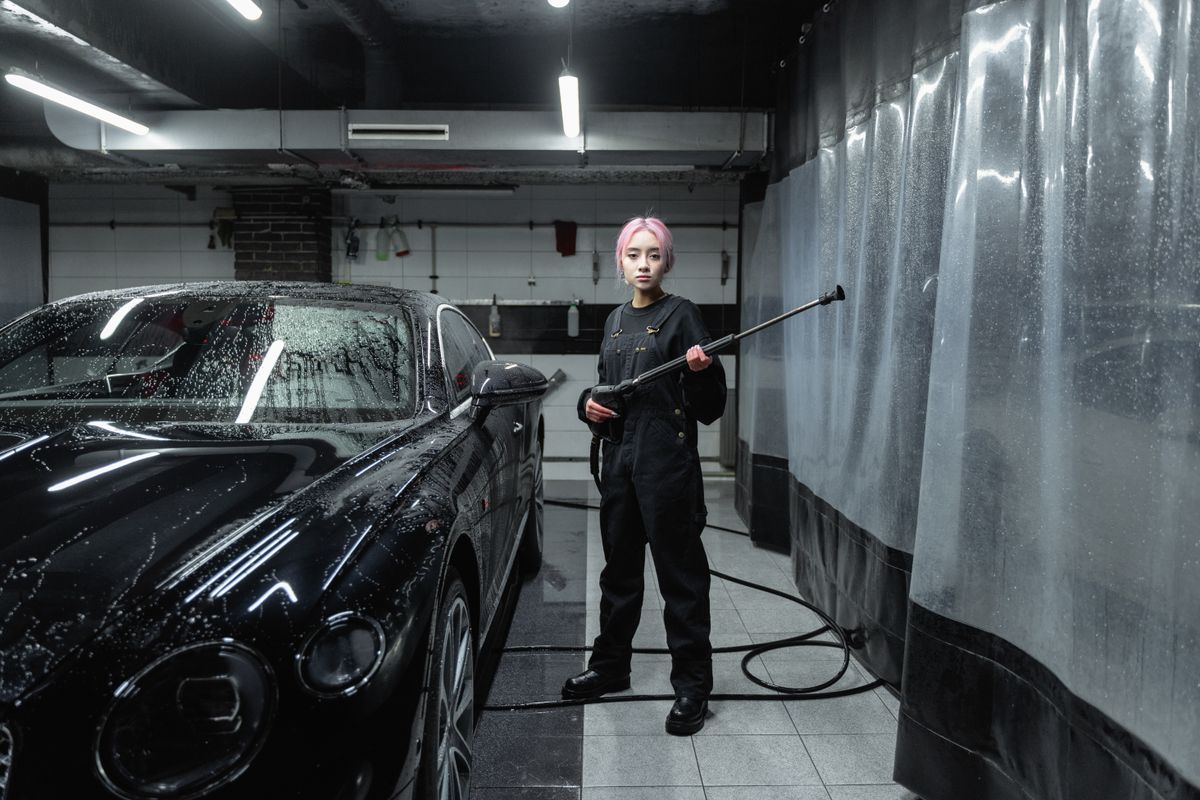
Photo by Tima Miroshnichenko on Pexels
Cordless pressure washers address these specific constraints by decoupling the cleaning unit from both the electrical grid and the municipal water line. These devices typically operate on 18V or 40V lithium-ion battery platforms, providing enough runtime to clean a standard 50-to-100 square foot balcony on a single charge. The core technology that enables this is the self-priming pump. Unlike traditional units that require a pressurized input to prevent pump cavitation, these handheld units can pull water directly from a bucket or even a decorative water feature. User demonstrations, such as those shared by content creator kdubsosolid on TikTok, highlight the utility of the "bucket draw" feature, which allows for a fully mobile cleaning setup that can be deployed in minutes without trailing hoses through the living room.
In terms of performance, these units occupy the space between a garden hose and a heavy-duty electric washer. While a standard hose might provide 40-60 PSI, a cordless power cleaner typically delivers between 300 and 600 PSI. This pressure range is optimal for balcony surfaces; it is strong enough to lift stubborn grime and organic growth from concrete and composite decking, yet gentle enough to avoid the etching risks associated with 3000-PSI gas units. Many models feature adjustable nozzles (0°, 15°, 25°, 40°, and rinse) which allow the user to transition from a concentrated jet for corner crevices to a wide fan for rinsing large surface areas. This versatility is essential for managing runoff, as a wider fan spray allows for more controlled water distribution, minimizing the amount of liquid that spills over the edge of the balcony onto the units below.
Selection Framework for Balcony Cleaning Systems
When choosing a system for residential use, the decision rule is to prioritize the water-source-to-pressure ratio. For smaller balconies with light dust accumulation, a handheld spray gun with a shorter wand provides the best maneuverability. For larger terraces with heavy staining or built-in planters, a unit with a higher flow rate (measured in Gallons Per Minute or GPM) is necessary to move debris effectively. As demonstrated in various video tutorials on YouTube regarding hose-free cleaning, the ability to mix cleaning solutions directly into the water source or via a soap bottle attachment significantly reduces the mechanical effort required.
To ensure the chosen equipment meets the specific needs of an apartment environment, evaluate the following criteria:
- Suction Hose Length: Ensure the included siphoning hose is at least 15-20 feet to allow the water bucket to remain in a stable, central location while you move around the perimeter.
- Battery Compatibility: If you already own cordless power tools, selecting a pressure washer within the same battery ecosystem (such as Ryobi or Worx) reduces the total cost of ownership and ensures you have spare batteries for longer sessions.
- Pressure Adjustability: Look for units with multiple speed or pressure settings (e.g., Eco vs. Max) to protect delicate surfaces like outdoor furniture or thin wood slats.
- Weight and Ergonomics: Since the motor, pump, and battery are all contained within the handheld unit, the weight can range from 4 to 10 pounds; choose a balance that matches your physical comfort for 20-minute intervals.
- Storage Footprint: For apartment dwellers, the ability to disassemble the wand and store the entire kit in a small bag or the water bucket itself is a major spatial advantage.
Shop Cordless Pressure Washers here
Sources
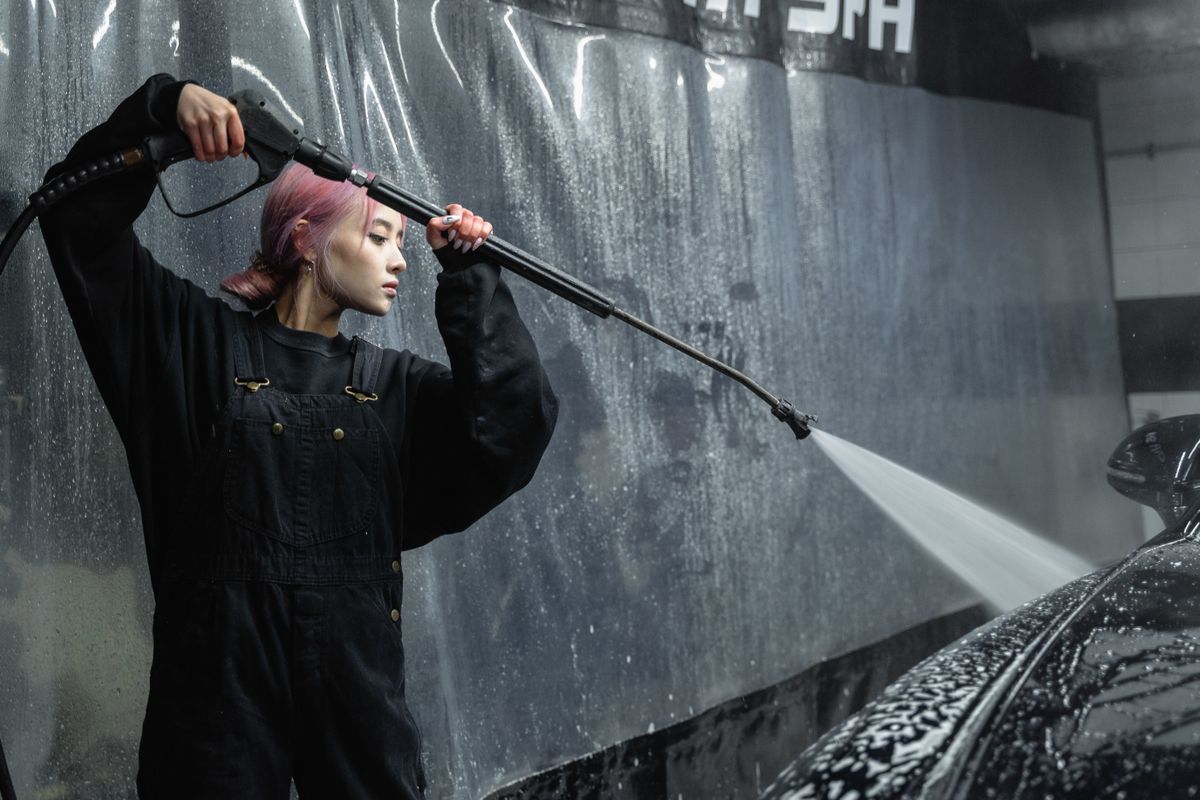
Photo by Tima Miroshnichenko on Pexels
- Cleaning my Balcony with this portable pressure washer. So clutch if y...
- How to pressure wash a 2nd floor condo balcony when the outdoor ...
- How to clean your apartment/condo balcony without a hose/bucket mop ...