Off-Grid Pressure Washer FAQ: Water Sources, Siphoning & Field Care
You are miles deep into a backcountry trail or dry-camping at a remote park, and your vehicle is caked in thick mud or road dust. With no garden hose or electrical outlet in sight, setting up a cordless pressure washer requires proper elevation, double-stage filtration, and airlock-free siphoning. To keep your unit running smoothly off-grid, position your water supply at or above pump height, use a 50–100 mesh suction filter, and budget 4 to 7 gallons of water per vehicle wash.
Off-Grid Water Supply Decision Matrix
Matching your off-grid water container to your storage space and clean-up requirements prevents running dry or overloading your vehicle setup.
Best choice for
- Rigid Jerry Cans or Collapsible Water Bladders — Provides 5-10 gallons of clean tap water with stable elevated mounting options for natural siphon assist.
- Dedicated 5-Gallon Bucket with Gamma Seal Lid — Simple to submerge intake hose, quick to refill from RV fresh tank, and easy to nest cleaning gear during travel.
- Weighted Intake Hose with Dual-Stage Micron Filter — Offers an unlimited water supply, but requires strict multi-stage filtration to prevent pump valve abrasion.
- Using unweighted suction hoses in shallow muddy riverbeds without a float buoy.
- Attempting to draw water through a suction hose longer than 20 feet without manual pre-priming.
- Connecting suction hoses directly to rigid sealed containers without introducing a air vent.
- Gravity-Fed Rain Barrel Adaptors — Offers effortless priming head pressure when cleaning around remote cabins or off-grid homesteads.
Field Expert Tip: Gravity-Assisted Siphon Priming
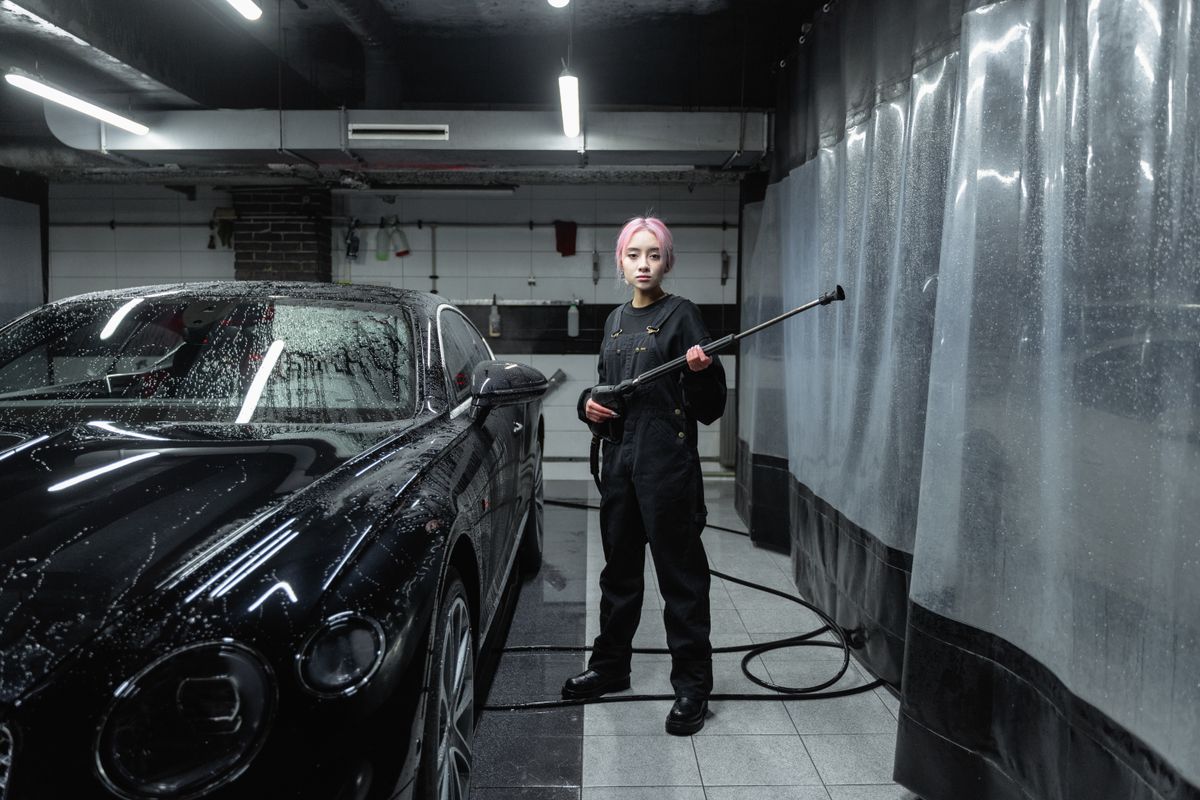
Photo by Tima Miroshnichenko on Pexels
When setting up your cordless pressure washer away from pressurized spigots, place your water container on a tailgate, picnic table, or rock ledge higher than the pressure washer body. Disconnect the spray lance attachment during the first 15 seconds of operation. Removing the lance relieves backpressure on the internal pump, allowing air in the intake hose to escape rapidly. Once a steady, bubble-free stream flows from the spray gun barrel, click your spray nozzle back into place and begin cleaning.
Off-Grid Wash Pump & Siphon Troubleshooting Matrix
| Symptom | Root Cause | Field Fix | Prevention Tip |
| --- | --- | --- | --- |
| Pump motor runs but no water sprays (Airlock) | Trapped air pocket in suction hose or internal pump casing preventing vacuum pull. | Disconnect spray tip, submerge intake hose fully, elevate water container, and squeeze trigger for 15 seconds. | Pre-fill intake hose with water before connecting quick-connect fitting to pressure washer inlet. |
| Pulsing or fluctuating output pressure (Cavitation) | Micro air leaks at intake quick-connect fittings or partially clogged inlet filter screen. | Inspect intake O-ring seal, coat O-ring with silicon grease, and brush clean the intake mesh filter. | Store quick-connect hose fittings in a clean dry bag to prevent sand grains from warping seals. |
| Sudden complete loss of suction mid-wash | Intake filter floated to water surface or sucked against bottom/side of bucket. | Re-position intake weight buoy 3 inches above container bottom and clear floating debris. | Attach a dedicated hose clip or anchor weight to ensure filter intake remains fully submerged. |
| Reduced pressure and chattering pump noise | Fine silt or algae clogging fine inlet filter mesh. | Back-flush filter with fresh water and scrub screen with a toothbrush. | Pre-filter cloudy river water through a cheesecloth or fine mesh bucket cover prior to pumping. |
Diagnose and resolve common off-grid priming and water flow issues before they interrupt your cleaning routine.
Off-Grid Water Source Comparison: Buckets vs. Bladders vs. Lakes
| Water Source | Silt & Debris Risk | Pre-Filtration Needed | Siphoning Ease | Eco-Compliance | Best Application |
| --- | --- | --- | --- | --- | --- |
| Fresh Tap Water Bucket (5 Gal) | Very Low | Standard 80-Mesh Hose Filter | Immediate (1-5 sec) | 100% Safe Anywhere | Quick car, bike, and gear rinse at campsite |
| Rigid Jerry Can / Water Jug | Low | Standard 80-Mesh Hose Filter | Fast with Top Vent Open | 100% Safe Anywhere | Overland rigs and vehicle detailing |
| Collapsible TPU Water Bladder | Low to Moderate | Standard 80-Mesh Hose Filter | Fast (Collapses as drawn) | 100% Safe Anywhere | Space-constrained motorcycle or small SUV travel |
| Natural Lake, River, or Stream | High to Extreme | Dual-Stage (Coarse + 100 Mesh) | Moderate (Requires manual fill) | Requires Bio-Soaps >200ft from shore | Heavy mud cleanup on off-road trails |
Compare popular off-grid water sources to determine which option offers the best balance of safety, portability, and convenience.
Off-Grid Siphon & Elevation Setup Guide
Refer to this setup schematic when arranging your water container, suction line, and cordless pressure washer in the field.
Key Takeaways for Remote Vehicle Cleaning
Recommended Off-Grid Washing Gear & Accessories
Equip your mobile rig with reliable, self-priming cordless cleaning gear built for demanding outdoor environments.
Ready to make off-grid cleaning simple and stress-free? Browse our high-efficiency Cordless Pressure Washers with self-priming suction kits today at CordlessPressureWasher.com!
Pre-Trip Off-Grid Washer Prep Checklist
- Fully charge 20V/40V batteries and pack spare charger or 12V inverter connection.
- Inspect suction hose for micro-cracks or stiffened quick-connect O-rings.
- Clean intake filter screen (ensure 50-100 mesh clarity).
- Pack a dedicated hose weight or siphon clip to keep intake off the container bottom.
- Pre-fill a 5-gallon water container with clean tap water if natural sources are unavailable.
- Test pump self-priming at home for 15 seconds to confirm suction seal.
Post-Trip Maintenance & Storage Schedule
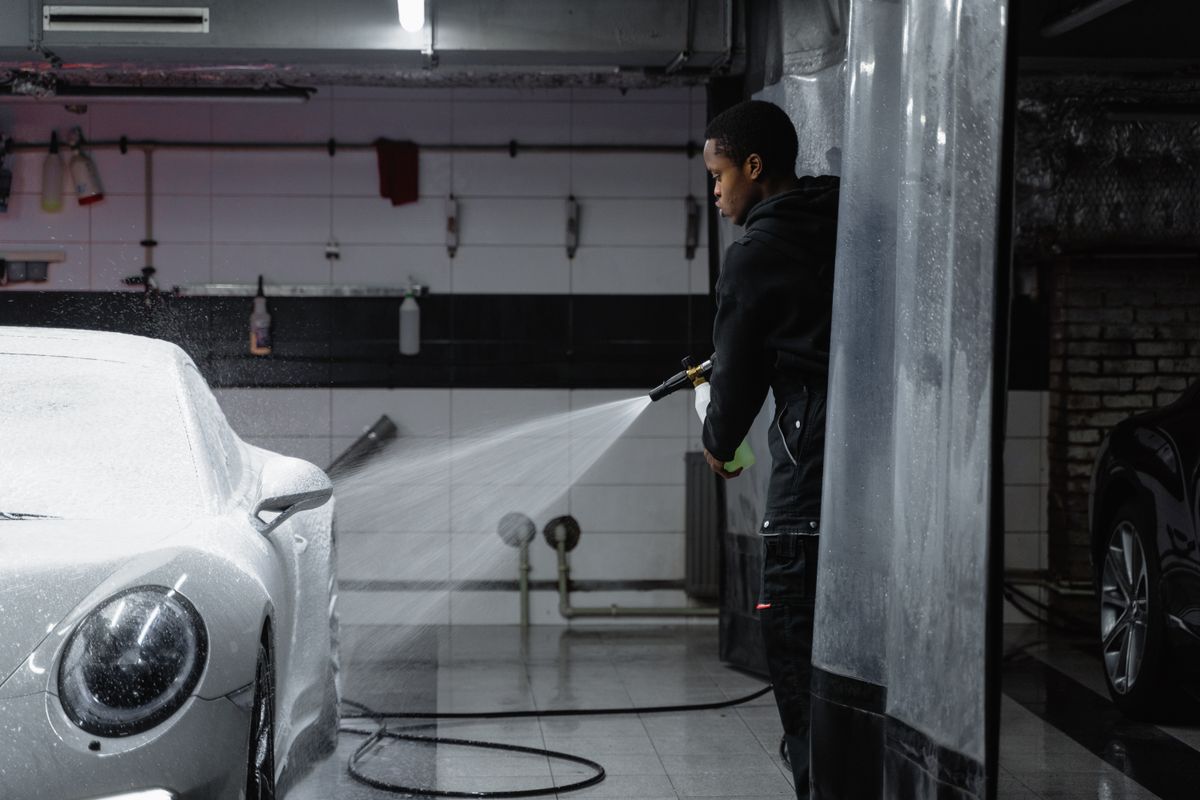
Photo by Tima Miroshnichenko on Pexels
- Immediately After Wash (Field) — Run clean tap water through the pump for 30 seconds if natural river/lake water was used to flush out microscopic grit.
- Upon Returning Home — Disconnect all quick-connect fittings, unscrew filter mesh, thoroughly rinse with clean water, and air dry complete assembly.
- Monthly / Prior to Storage — Apply a drop of silicone lubricant to rubber quick-connect O-rings to maintain airtight suction seals during priming.
- End of Season / Winterization — Cycle pump dry for 3 seconds, inject pump saver or RV antifreeze solution into intake, and store batteries at 50% charge indoors.
5 Critical Mistakes That Damage Cordless Washers Off-Grid
Avoid these common mistakes when operating your cordless pressure washer away from home utility connections:
Off-Grid Wash Water Estimator
Calculate your total water supply requirements before hitting the trail.
Frequently Asked Questions: Off-Grid Pressure Washing
Find clear answers to essential questions regarding water sourcing, siphoning physics, and field maintenance.
Related Off-Grid Cleaning Guides
- Off-Grid Outdoor Patio Pressure Washing FAQ
- How to Wash Your RV Off-Grid Without a Garden Hose: The Complete Water-Budgeting Guide
- Mastering Off-Grid Pressure Washing: A Comprehensive Guide to Water Sources
Immediate Action Steps for Your Next Off-Grid Cleaning Trip
Your decision: Decide on your primary off-grid water container (jerry can vs dedicated bucket) and verify your intake hose filter mesh rating.
Do this next: Perform a 5-minute home test run siphoning water from a bucket on your driveway before driving into remote backcountry areas.
Related resource: Download our printable Pre-Trip Off-Grid Cleaning Checklist to keep in your overland vehicle glove box.
Explore our high-capacity Cordless Pressure Washers featuring self-priming intake hoses and integrated 80-mesh sediment filters.
Prepare your equipment for seamless operation before heading off-grid.
Cover photo by https://kaboompics.com/ on Pexels.