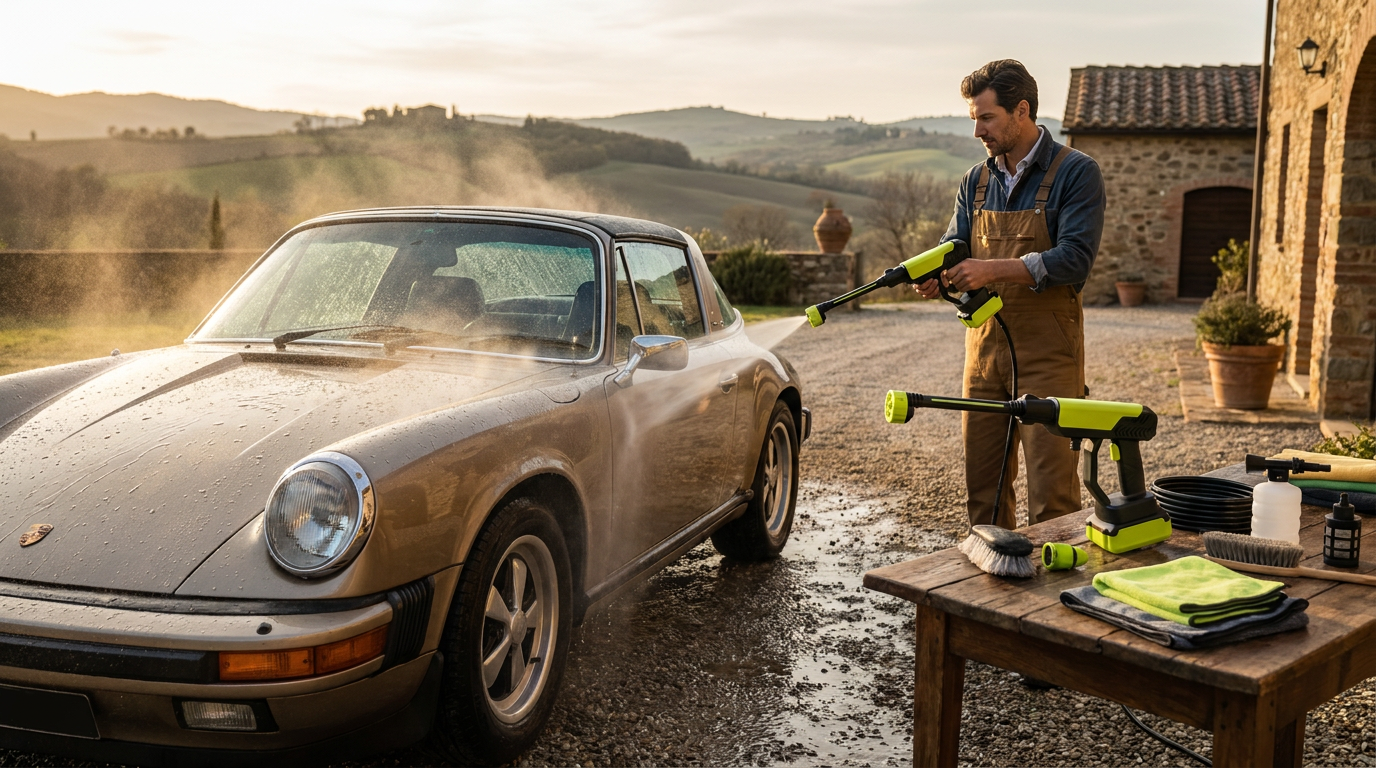
Maintaining Vehicle Finishes Using Cordless Pressure Washers
 Sam VasquezBuying Guide Lead
June 16, 2026. This guide details the specific techniques for using battery-powered equipment to maintain vehicle paint and wheels. It is written for car owners who need a mobile detailing solution without the constraints of a garden hose or power outlet.
The Challenge of Safe Automotive Detailing
Traditional gas or high-voltage electric pressure washers often provide more power than a car's delicate exterior requires. When I look at professional detailing, the goal isn't just to blast dirt away; it is to remove contaminants without stripping wax or damaging rubber seals. High-PSI units can easily exceed 3000 PSI, which is enough to lift clear coat if there is a pre-existing chip or to force water past door gaskets. According to Car and Driver, testing has shown that while high-powered units like the Craftsman CMEPW2100 are effective for heavy-duty tasks, the compact nature of battery units offers a safer middle ground for routine maintenance.
Most people struggle with the logistics of a car wash when they live in an apartment or have a driveway far from a spigot. Dragging a 50-foot hose across a sidewalk is a chore that often leads to neglecting the vehicle entirely. This is where the portability of a battery-operated jet wash becomes a practical necessity rather than a luxury. You need a system that can handle the grit on the rims while remaining gentle enough for the hood. This balance is difficult to strike with equipment designed for stripping decks or cleaning concrete driveways. Furthermore, many enthusiasts are now looking for ways to integrate their vehicle cleaning with other hobbies, such as maintaining marine surfaces with cordless pressure washers or cleaning gear after a trip. The core problem is finding a tool that provides enough flow to rinse soap away but stays within the safe pressure limits for automotive clear coats.
How Cordless Pressure Washers Solve the Mobile Wash Problem
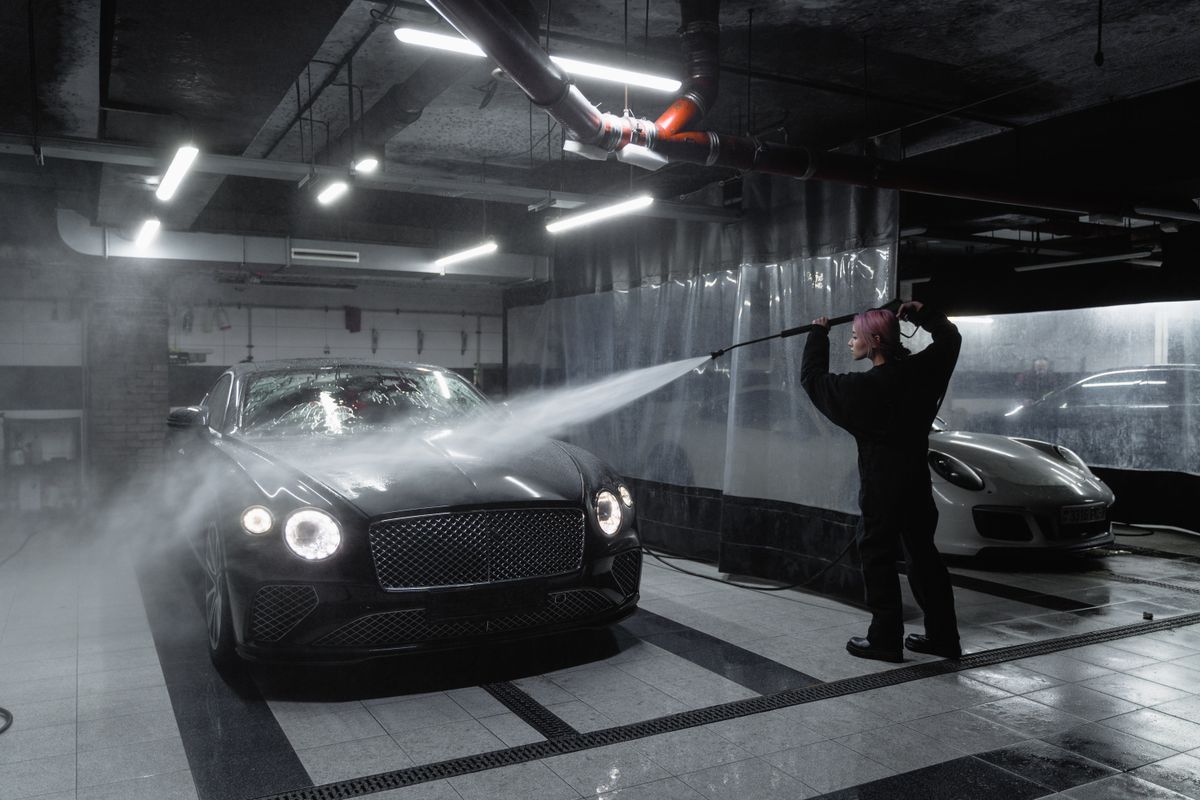
Photo by Tima Miroshnichenko on Pexels
Cordless Pressure Washers operate in the sweet spot for car detailing, generally ranging from 320 to 600 PSI. This is significantly higher than a standard garden hose but low enough to avoid the risks associated with industrial-grade machines. One of the most significant advantages is the ability to draw water from any source. If you don't have a hose connection, a pressure washer that pulls from a bucket allows you to wash your car in a parking garage or a remote driveway using just a few gallons of water.
Between the options currently available, I've looked closely at the Ryobi 40V Brushless Whisper Series and the WORX Power Share 320 PSI model. The Ryobi offers more substantial cleaning power for those who deal with heavy mud or road salt, while the WORX is remarkably light for quick rinses. If you're on a budget, the WORX is a solid entry point, but it may require more passes on stubborn grime. For those who need a more versatile setup, the DeWalt 20V is a compact alternative that fits easily in a trunk. The Drive notes that the Ryobi 40V is often considered the best overall for its balance of power and noise reduction.
Here's what I'd actually buy: the Ryobi 40V. The extra voltage translates to better water flow, which is more important for rinsing soap than raw pressure. Skip this if you already have a high-end electric unit and a 100-foot hose that reaches your driveway comfortably; the cordless versions won't beat a plug-in unit for sheer speed. However, for those who value a portable shower for mountain bikes or a quick way to spray down a vehicle after a trail run, the convenience of a battery-operated car wash spray gun is hard to beat. The integration of quick-connect adapters, as discussed in recent reviews of Stihl and Makita systems, means you can easily swap between a foam cannon and a rinsing nozzle to get a professional-grade finish.
Choosing the Right Setup for Your Vehicle
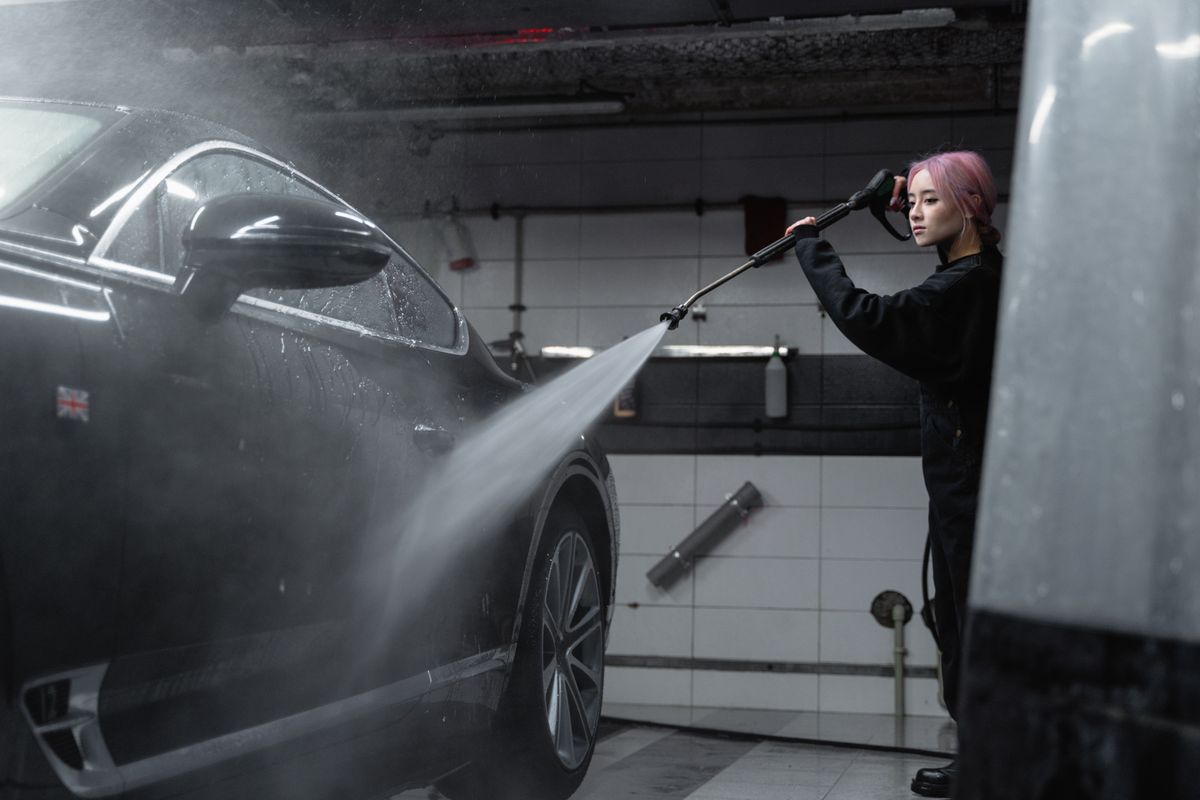
Photo by Tima Miroshnichenko on Pexels
When selecting a unit for automotive use, you have to look beyond the PSI rating. The Gallons Per Minute (GPM) is actually the more critical spec for car washing because it determines how quickly you can flush away the soap and loosened dirt. A unit with 0.8 GPM will feel significantly more effective than one with 0.5 GPM, even if the pressure ratings are identical. You also need to consider the battery ecosystem. If you already have a garage full of 20V or 40V tools, sticking with that brand will save you a significant amount of money on the bare tool.
To ensure you get the best results without damaging your paint, follow this decision framework:
- Verify the GPM rating: Aim for at least 0.7 GPM for efficient soap removal.
- Check for a 5-in-1 nozzle: This allows you to switch to a wide 40-degree spray for delicate areas and a 15-degree spray for wheel wells.
- Ensure bucket-draw capability: This is essential for urban car washing where a hose isn't accessible.
- Select a brushless motor: These are more efficient and typically last longer under the strain of a full car wash cycle.
- Look for a foam cannon attachment: A dedicated soap dispenser is much more effective than a simple suction tube for lifting dirt.
Shop Cordless Pressure Washers here