Best Cordless Pressure Washer Long Battery Life: High-Capacity Buying Guide
You are halfway through washing a dirty SUV or stripping grime off a 400-square-foot deck when your water spray sputters and dies. To sustain long outdoor cleaning sessions (45 to 60+ minutes) without mid-job battery failure, choose a 40V+ or dual-battery cordless pressure washer paired with at least two 4.0Ah or 6.0Ah lithium-ion batteries. Operating on moderate pressure settings and using a pressurized hose input further preserves runtime and protects against motor overheating.
Decision Support: Matching Cleaning Tasks to Battery Capacity
Choose a high-capacity cordless pressure washer based on job length: a single 4.0Ah+ battery for quick vehicle detailing, or dual 20V/40V platforms with continuous battery swapping for 45+ minute patio and deck cleaning.
Best choice for
- Dual-Battery (40V System) with 2x 5.0Ah Packs — Provides double the operating voltage and extended Amp-hours, sustaining higher PSI output without triggering early thermal shutdown.
- Single 20V Cordless Pressure Washer with 4.0Ah or 6.0Ah Pack — Keeps handheld weight under 5 lbs while providing sufficient runtime for medium-duty outdoor tasks on a single charge.
- Using standard 2.0Ah compact drill batteries for large driveways or two-story decks.
- Expecting continuous max-PSI power while drawing water from an unprimed 5-gallon bucket without a continuous water refill.
- Standard Corded Electric Pressure Washer — Best if unlimited continuous runtime is required and an outdoor electrical outlet is within 35 feet of the work area.
Side-by-Side: Battery Ah Rating vs. Real-World Runtime
Photo by Anna Guerrero on Pexels
| Battery Setup | Voltage / Ah | Eco Mode Runtime (Low PSI) | Max Power Runtime (High PSI) | Recommended Job Duration |
| --- | --- | --- | --- | --- |
| Standard Compact Pack | 20V / 2.0Ah | 12 - 15 mins | 7 - 10 mins | Single sedan rinse, trash cans |
| High-Capacity Single Pack | 20V / 4.0Ah | 25 - 30 mins | 16 - 20 mins | Full car detail, patio furniture |
| Extended Duty Single Pack | 20V / 6.0Ah | 38 - 45 mins | 24 - 28 mins | Two vehicles, small deck refresh |
| Dual-Battery Pro System | 40V (2x 20V) / 5.0Ah | 50 - 65 mins | 32 - 40 mins | RV detailing, fencing, concrete walkways |
Manufacturer runtime claims are often recorded under eco-mode with zero nozzle resistance. This comparison breaks down actual active spraying minutes under real-world household conditions.
Pro Tip: Managing Battery Heat During Continuous Wash Sessions
Lithium-ion batteries generate internal heat when forced to deliver high amperage over extended periods. On hot summer days, pavement temperatures can exceed 110°F, accelerating battery drain and triggering built-in thermal cutoffs. To prevent unexpected shutdowns, keep spare battery packs inside a shaded cooler box (without ice) while working. When a pack depletes, allow it to cool down in the shade for 15 minutes before plugging it into a fast charger. Charging a hot battery triggers a thermal lockout, prolonging your total wait time.
Recommended Setup for 45- to 60-Minute Cleaning Tasks
For comprehensive outdoor cleaning projects, the ideal configuration is a Dual 20V (40V System) Cordless Pressure Washer paired with two 4.0Ah or 5.0Ah primary battery packs and a dual-port rapid charger.
This setup delivers the pressure required for stubborn dirt while maintaining a balanced weight distribution. Pairing your washer with a pressurized garden hose input reduces motor stress, allowing you to stretch runtime by up to 20% compared to bucket siphoning.
Ready to tackle long cleaning jobs without battery headaches? Explore our High-Capacity Cordless Pressure Washers today for reliable power and effortless outdoor mobility!
Immediate Action Steps Before Purchasing
Your decision: Determine whether your average outdoor cleaning job requires more than 30 minutes of continuous spray time.
Do this next: Select a high-capacity 4.0Ah+ platform with dual-battery capability and purchase a dual-port fast charger for zero downtime.
Related resource: https://cordlesspressurewasher.comCordless Pressure Washer High-Capacity Starter Kit with Dual 4.0Ah Batteries
Follow these steps to ensure you choose the exact battery capacity and charging accessories required for your household tasks.
Summary: What Matters Most for Long Battery Life
- Focus on Amp-hours (Ah) for runtime; voltage (V) dictates total clearing force and water volume.
- Dual-battery 40V platforms distribute energy load across two packs, preventing thermal throttling.
- Using a 25° or 40° spray nozzle in eco-mode extends battery runtime by 30% to 35% over narrow turbo nozzles.
- Siphoning from unpressurized buckets forces the internal pump to pull higher amperage, reducing runtime compared to pressurized hose supplies.
- A continuous rotation strategy using 2 active batteries and a rapid charger yields virtually unlimited runtime.
Top High-Capacity Cordless Washers for Extended Use
These recommended configurations offer the optimal balance of compact design, easy movement, and long battery endurance for everyday home, car, and garden tasks:
- High-Capacity Dual-Battery Portable Cleaner: Features a dual 20V power head, 4.0Ah lithium-ion battery packs, and an auto-stop pressure pump for maximum energy efficiency during long car detailing sessions.
- Ultra-Lightweight 20V Extended-Run Cleaner: Built for rapid patio furniture washing and garden rinsing, utilizing a high-efficiency 6.0Ah battery pack for up to 45 minutes of continuous eco-mode operation.
- Off-Grid Bucket Siphon Power Cleaner: Equipped with a self-priming intake hose and dual battery bays, perfect for cleaning remote RVs, boats, and lakeside docks without electrical or tap connections.
Pre-Purchase & Setup Checklist for Extended Washing
- Fully charge all primary and spare battery packs to 100% prior to starting.
- Inspect fast-charger power cord and place charger in a shaded, well-ventilated location.
- Pre-prime suction hose if using bucket/barrel water to reduce initial motor electrical load.
- Set multi-spray nozzle to 25° or 40° setting for optimal coverage-to-power efficiency.
- Keep spare batteries stored out of direct sunlight in a cool container.
Battery Care & Charging Maintenance Schedule
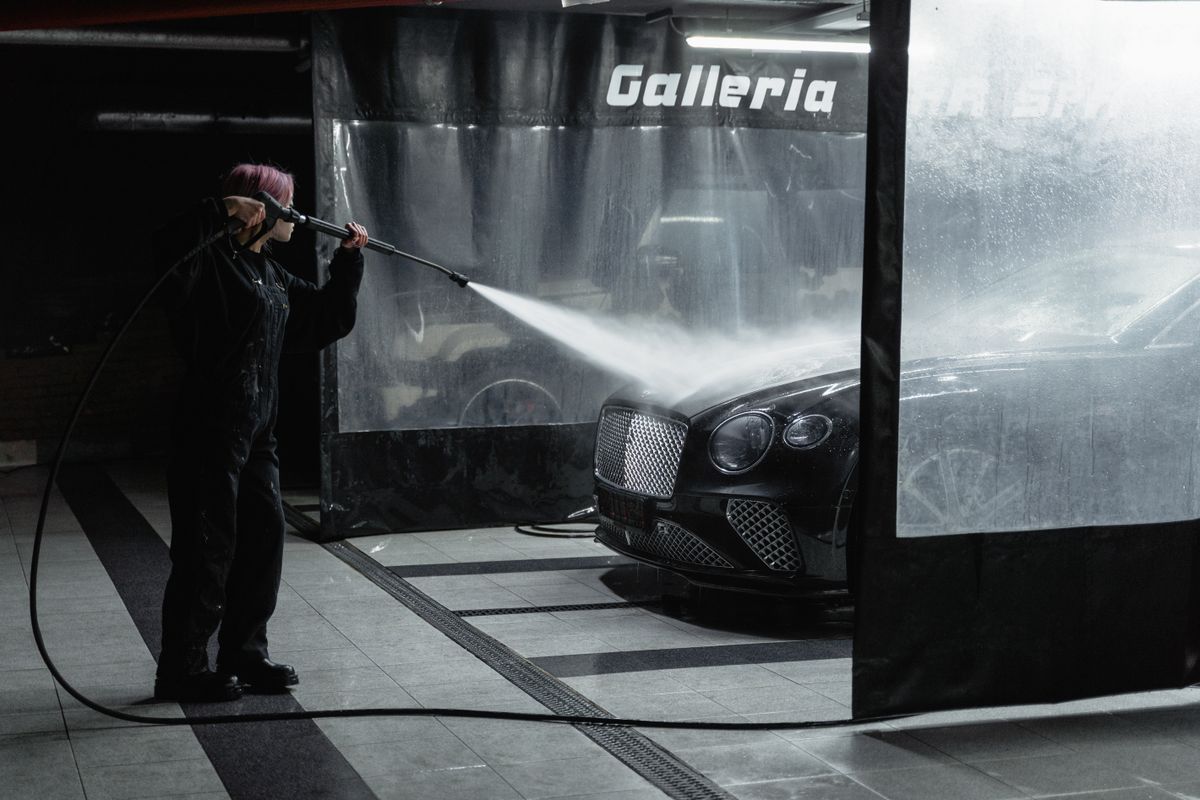
Photo by Tima Miroshnichenko on Pexels
- Before Every Use — Check battery casing for cracks and ensure contact terminals are clean, dry, and free of dirt or debris.
- After Every Cleaning Session — Allow depleted battery packs to cool down at ambient temperature for 15-20 minutes before placing them on the charger.
- Monthly During Active Season — Inspect charger vents for dust accumulation; wipe down contacts with a dry microfiber cloth.
- Winter Off-Season Storage — Store batteries at 40%-60% charge level in a climate-controlled area between 50°F and 70°F (never leave in freezing garages).
Technical Spec Matrix: Voltage, Ah, PSI, and Water Draw
| System Type | Voltage | Battery Capacity | Water Supply Type | Operating Pressure | Estimated Amp Draw |
| --- | --- | --- | --- | --- | --- |
| Compact Handheld | 20V Max | 2.0 Ah | 5-Gal Bucket Siphon | 320 PSI (High) | 14.5 Amps |
| Compact Handheld | 20V Max | 4.0 Ah | Pressurized Garden Hose | 320 PSI (High) | 11.8 Amps |
| Dual-Battery Platform | 40V (2x20V) | 4.0 Ah (x2) | 5-Gal Bucket Siphon | 550 PSI (High) | 18.2 Amps |
| Dual-Battery Platform | 40V (2x20V) | 5.0 Ah (x2) | Pressurized Garden Hose | 350 PSI (Eco) | 9.5 Amps |
Understanding how electrical draw changes across different water sources and pressure modes helps you optimize battery longevity.
Common Mistakes That Drain Cordless Washer Batteries Fast
Avoid these common operating errors that unnecessarily exhaust your battery capacity and shorten motor lifespan:
- Continuous Trigger Holding: Keeping the spray trigger squeezed while walking between cleaning areas wastes up to 15% of total battery energy. Release the trigger so the auto-stop feature pauses motor draw.
- Placing Hot Batteries Directly on Chargers: Plugging a freshly depleted, hot battery into a rapid charger triggers thermal safety lockouts, delaying charging by 20 to 30 minutes.
- Unprimed Siphon Operation: Running the pump dry while pulling water from a bucket creates air locks that force the motor to work at maximum amperage, draining power rapidly before water flow starts.
- Overusing Narrow 0° Turbo Nozzles: High-resistance narrow tips strain the bypass valve and elevate motor amperage compared to wider 25° or 40° fan nozzles.
Frequently Asked Questions About Cordless Washer Runtime
Should I buy a dual-battery pressure washer or extra individual batteries?
Dual-battery 40V models provide higher total voltage and cleaning power with balanced electrical draw across two packs. However, if you already own a 20V tool system, buying 2 to 3 extra high-capacity individual batteries (4.0Ah or 6.0Ah) with a fast charger lets you rotate packs continuously for non-stop cleaning.
How does high PSI affect battery discharge rate?
Running the pressure washer motor at maximum PSI forces higher amperage draw from the battery. Operating continuously on high-power mode depletes battery Amp-hour capacity up to 35% faster than using eco or medium pressure settings.
What is the best way to keep spare batteries cool outdoors during summer cleaning?
Store spare battery packs inside a shaded cooler box (without ice) away from direct sunlight and hot pavement. Let depleted packs cool down completely in the shade before connecting them to a charger.
Does continuous bucket siphoning drain the battery faster than garden hose connections?
Yes. Siphoning water from an unpressurized bucket requires the internal pump to self-prime and lift water against gravity. This extra mechanical work increases motor amperage draw, consuming slightly more energy than feeding the washer with a pressurized garden hose.
Get quick, expert answers to the most common questions about managing battery power on portable pressure washers.
Related Guides & Battery Optimization Tips
Expand your knowledge on cordless outdoor cleaning equipment with these practical guides:
- Cordless Pressure Washer Battery Specs Explained: Volts vs. Amp-Hours (Ah)
- 2.0Ah vs. 4.0Ah vs. 6.0Ah: Which Battery Capacity Do You Need?
- How to Use a Cordless Pressure Washer with a Bucket or Water Barrel
- PSI vs. GPM for Cordless Pressure Washers: What Matters Most for Home Chores?
Final Summary & Next Steps
Your decision: Determine whether your average outdoor job requires more than 30 minutes of continuous spray time.
Do this next: Select a high-capacity 4.0Ah+ platform with dual-battery capability and purchase a dual-port fast charger for zero downtime.
Related resource: https://cordlesspressurewasher.comCordless Pressure Washer High-Capacity Starter Kit with Dual 4.0Ah Batteries
Ready to choose your high-capacity cleaning system? Evaluate your typical job duration, select a 4.0Ah or dual-battery platform, and ensure you have a rapid charger ready for seamless battery rotation.
Cover photo by Tima Miroshnichenko on Pexels.