How does a battery operated jet wash compare to gas models?
 Priya RamanSenior Analyst
August 12, 2026 — A battery operated jet wash typically provides between 300 and 600 PSI of cleaning power, offering a portable and quieter alternative to traditional gas-powered units that often exceed 2,000 PSI.
Modern consumers increasingly seek these tools for high-density living environments like apartment balconies or for mobile detailing where a fixed water connection is unavailable. The shift toward electrification in outdoor power equipment has transformed the battery operated jet wash from a niche garden tool into a viable solution for specific maintenance tasks that prioritize maneuverability over raw stripping power. Think of it as a matrix of portability versus intensity.
How does the PSI of a battery operated jet wash impact utility?
The decision rule for selecting a battery operated jet wash centers on the surface tension of the debris being removed rather than the total square footage of the project. While industrial gas units are designed for stripping paint or deep-cleaning concrete driveways, cordless pressure washers operate in a lower pressure bracket that is safer for delicate surfaces such as vehicle clear coats, outdoor furniture, and mountain bike components. Once you see it this way, the lower PSI becomes a functional feature rather than a limitation, preventing the unintended damage often caused by high-pressure thermal engines. For instance, Ryobi 18V and 40V models are frequently utilized for rinsing cars and windows where 600 PSI is the upper threshold for safe operation without compromising seals or gaskets. This makes them ideal for maintaining gear with cordless pressure washers where sensitive bearings are a concern.
Can a battery operated jet wash function without a garden hose?

Photo by Tima Miroshnichenko on Pexels
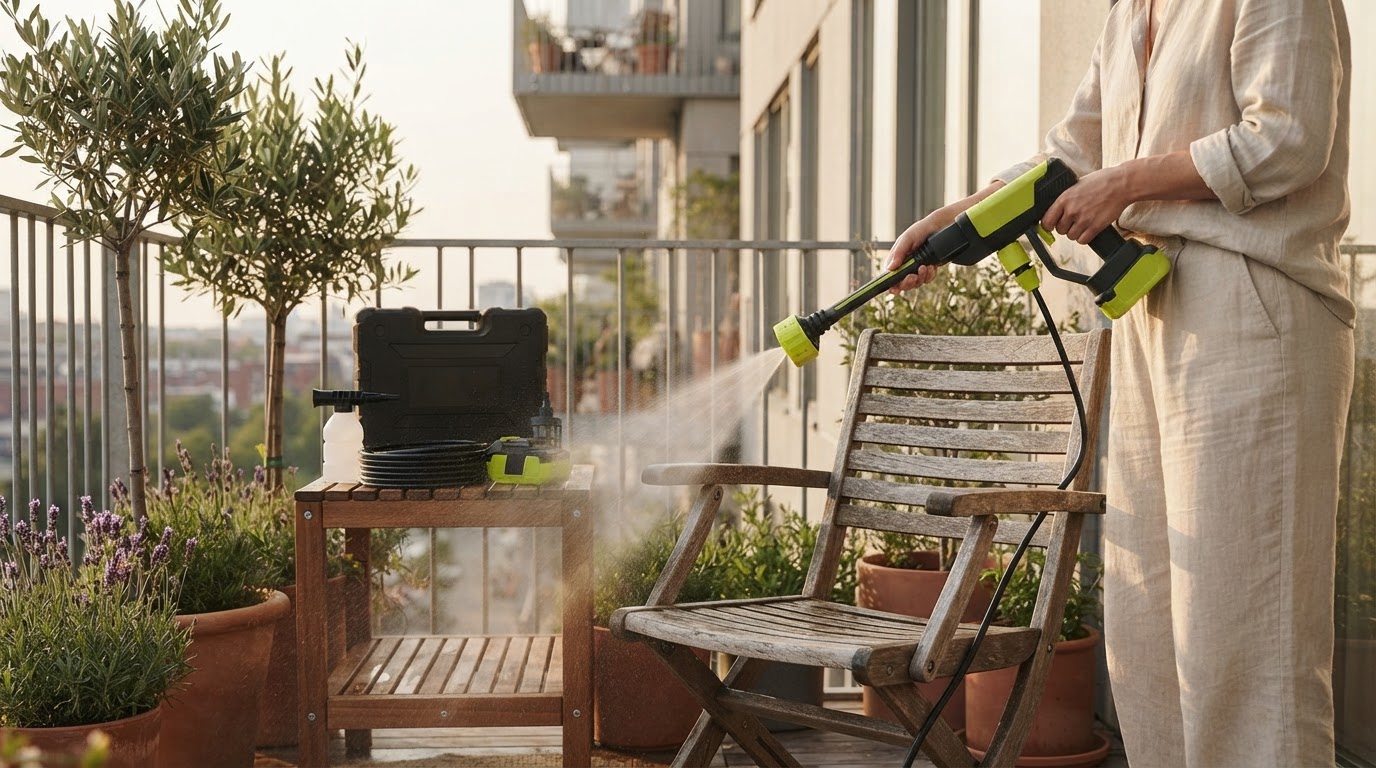
Two axes matter here: water source availability and the flow rate of the device. Most modern battery operated jet wash systems feature a self-priming pump, allowing them to draw water directly from a bucket, pool, or lake via a filtered suction hose. This independence from a pressurized tap is the primary differentiator for users in urban settings or remote locations. While traditional units require a constant tether to a spigot, a cordless unit can operate anywhere a five-gallon container can be placed. For users requiring even higher levels of mobility, some models are designed as a portable pressure washer with water tank, integrating the reservoir directly into the chassis to eliminate the suction hose entirely. This setup is particularly effective for balcony cleaning where trailing hoses across a living room is impractical.
Quick answers
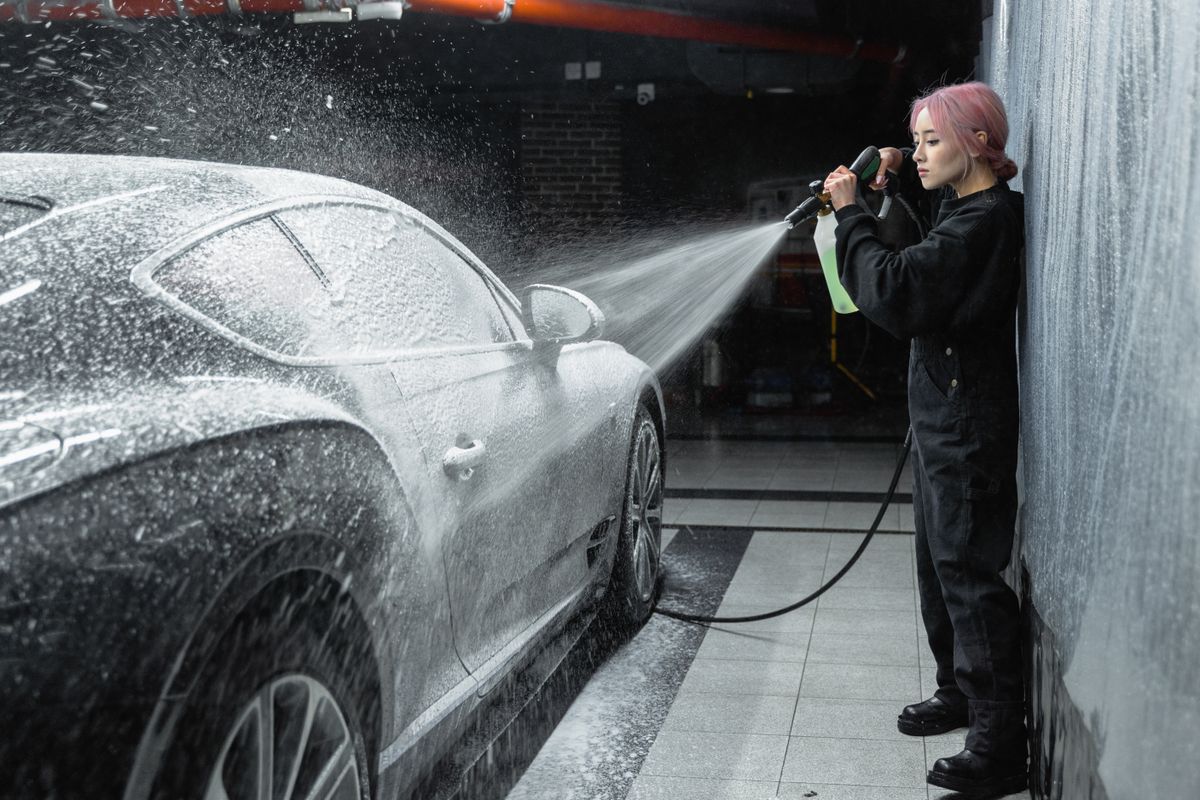
Photo by Tima Miroshnichenko on Pexels
Q: How long does a typical battery operated jet wash run on a single charge? A: Most 18V or 20V systems, such as those from Worx, provide approximately 15 to 30 minutes of continuous runtime depending on the battery's Amp-hour (Ah) rating. High-capacity 4.0Ah batteries are generally recommended to ensure enough time for a full vehicle rinse.
Q: Is the pressure from a battery operated jet wash enough to clean a concrete driveway? A: While these units can remove loose surface dirt and fresh moss, they generally lack the 2,000+ PSI required to remove deep-set oil stains or years of embedded lichen from porous concrete. They are better suited for routine maintenance rather than heavy restoration.
Q: Can I use hot water in a battery operated jet wash? A: Most consumer-grade cordless units are rated for a maximum water intake temperature of 104°F (40°C). Exceeding this temperature can damage the internal pump seals and void the manufacturer's warranty.
Q: What is the benefit of a brushless motor in these units? A: Brushless motors, found in premium cordless pressure washers, offer higher efficiency and longer tool life by reducing friction and heat. This technology typically results in a 25% increase in runtime compared to standard brushed motors.
Learn more about Cordless Pressure Washers at https://cordlesspressurewasher.com.