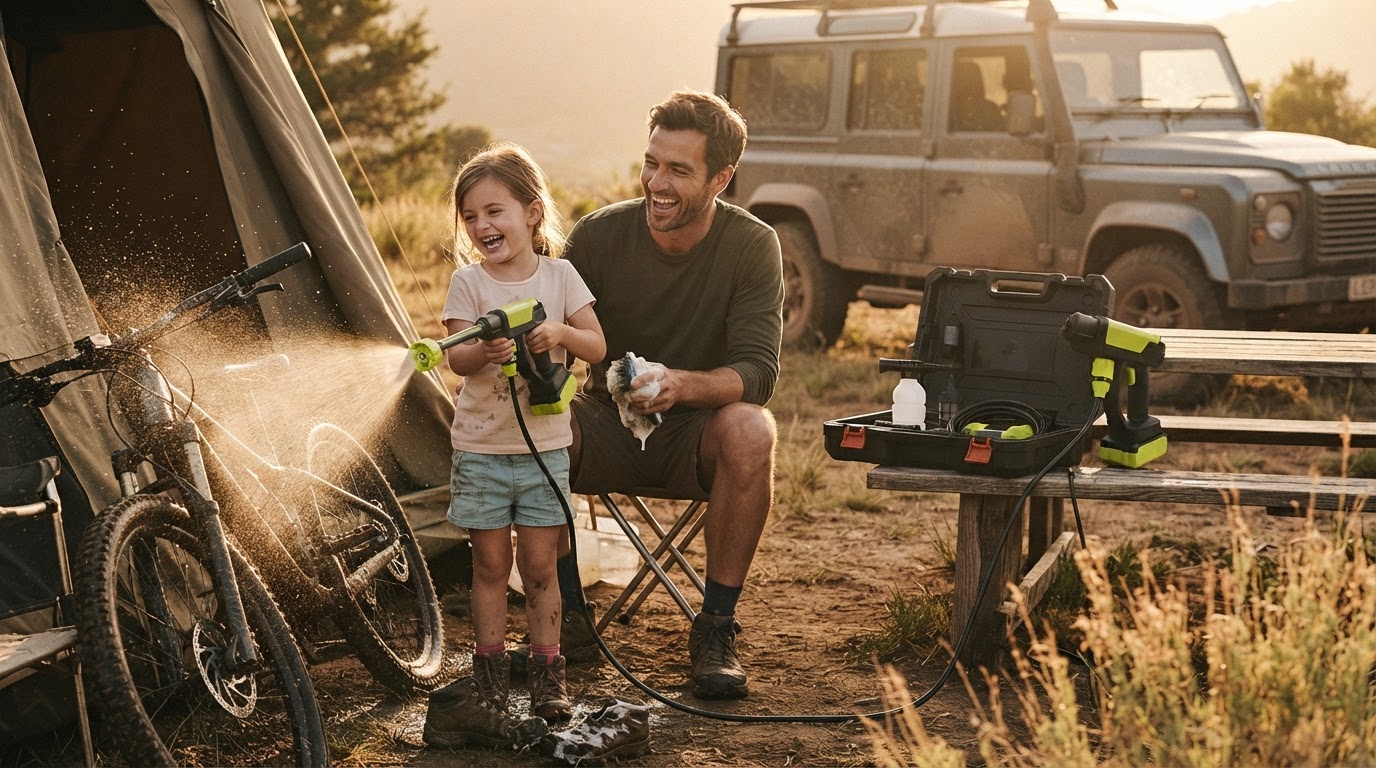
Maintaining Gear with Cordless Pressure Washers
 Maya ChenContributing Editor
August 10, 2026 — The surge in backcountry travel has highlighted a critical failure in traditional maintenance: the reliance on fixed utility points, a gap now being filled by Cordless Pressure Washers. While the industry pushes high-PSI hardware for home driveways, the real utility for the outdoor enthusiast lies in low-moisture, high-portability systems that can function miles from a spigot.
The conventional wisdom says that more pressure is always better for removing trail grime, but this ignores the delicate seals of modern mountain bike suspension and the waterproof coatings of high-end camping textiles. Industry data suggests that a significant portion of component failures in mountain biking stems from high-pressure water ingress into sealed bearings, rather than trail debris itself. This makes the controlled output of battery-powered units a technical necessity rather than a compromise.
The 4-Step Field Recovery
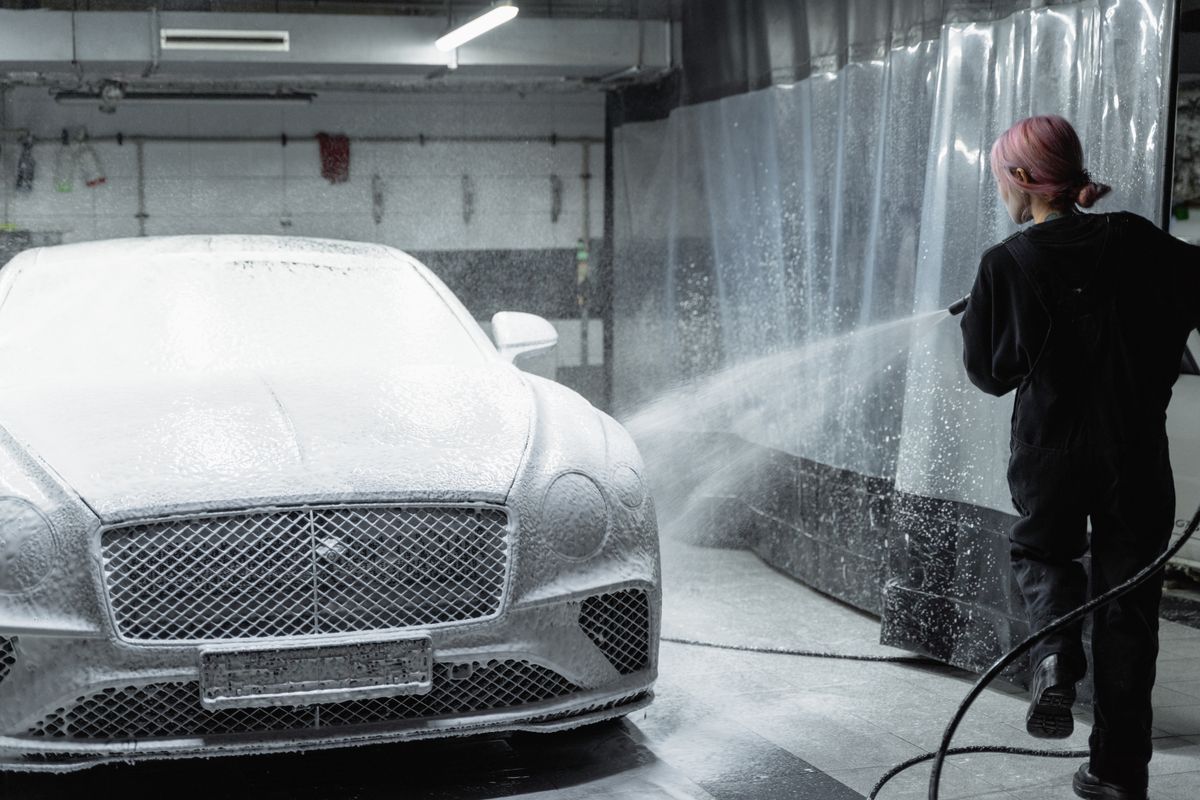
Photo by Tima Miroshnichenko on Pexels
Effective gear maintenance in the field requires a departure from the "spray and pray" method used at car washes. First, users must verify their power source; most efficient units now utilize 18V or 40V platforms, with 18V units typically providing enough runtime for three to four bikes on a single charge. Second, the water source must be managed. Since these units are designed as a wireless pressure washer with bucket draw, the quality of the source water matters more than the pressure. Using silty river water will destroy the internal pump seals within months. Third, the nozzle angle must be adjusted to a wide fan—never a needle spray—to protect bike pivot bearings and tent seam tapes. Finally, the drying phase is non-negotiable. Here's the part nobody talks about: a portable cleaner is only half the solution; if you don't have a dedicated microfiber to remove the residual film, you are simply moving the dirt around. Run the math: a standard 20-minute wash cycle at 320 PSI uses less than 5 gallons of water, making it feasible to carry your entire cleaning supply in a single jerry can. This efficiency is why many are moving toward a portable pressure washer with water tank to eliminate the need for external buckets entirely.
Expert tip: When cleaning mountain bike drivetrains, aim the spray at the cassette from a 45-degree angle to ensure the battery operated jet wash clears the grit without forcing degreaser into the freehub body.
I’ll change my mind when manufacturers can prove that high-pressure 3000 PSI gas units don't cause premature bearing wear, but until then, the lower-output cordless models remain the superior choice for technical gear. The shift toward these tools reflects a broader trend toward specialized, low-impact maintenance.
Shop Cordless Pressure Washers.