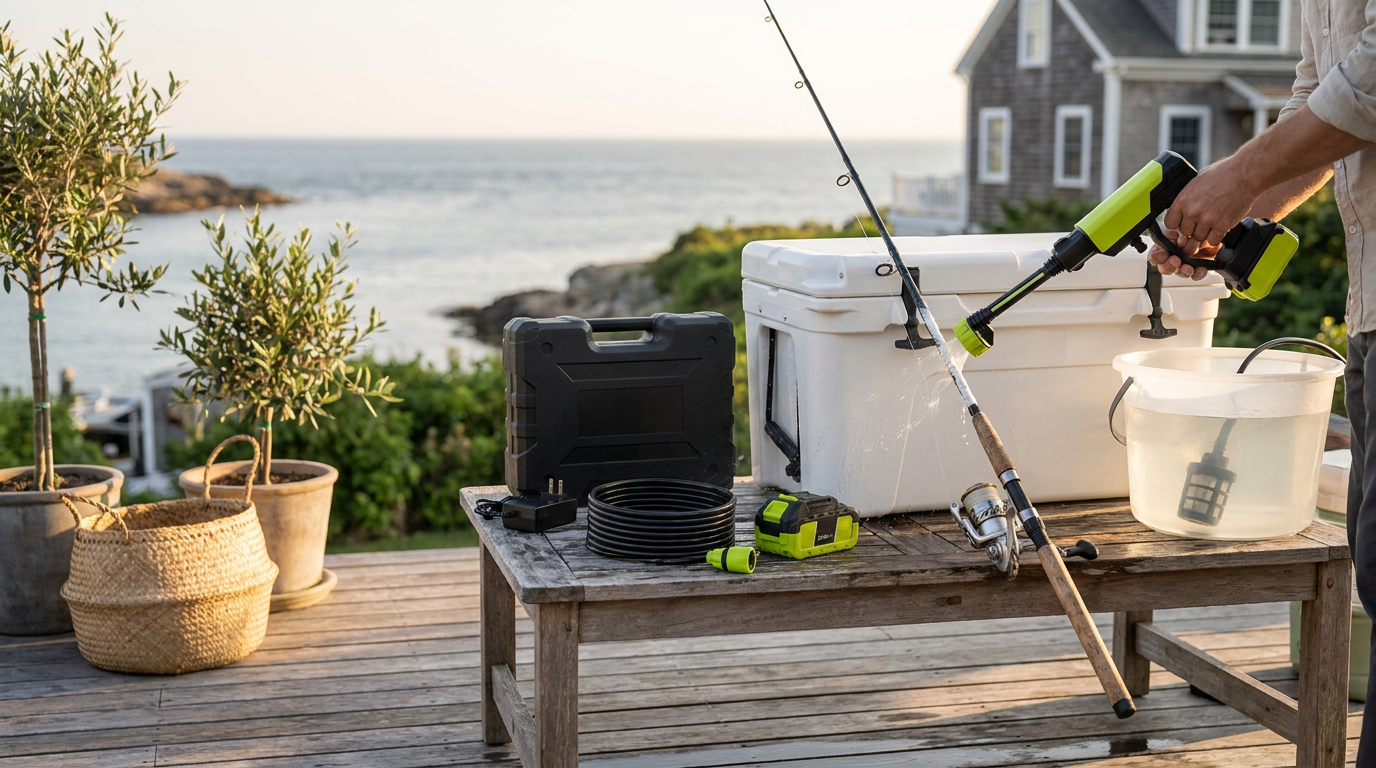
Can Cordless Pressure Washers Effectively Remove Saltwater?
 Maya ChenContributing Editor
May 23, 2026 — Cordless Pressure Washers are highly effective at saltwater removal provided they are used with a high-volume freshwater source immediately after exposure to prevent crystallisation and subsequent galvanic corrosion.
Boat owners and coastal residents frequently rely on these portable units to rinse gear where fixed plumbing is unavailable. The conventional wisdom says any rinse is a good rinse, but this ignores the chemistry of salt saturation and the mechanical limitations of battery-powered flow rates. Without immediate action and proper technique, a superficial misting can actually accelerate corrosion by trapping moisture against salt deposits.
Does a low-flow cordless unit actually remove salt?
Yes, but only if the volume of freshwater exceeds the saturation point of the salt deposits present on the surface. Here's the part nobody talks about: the typical 0.5 to 1.0 GPM (gallons per minute) flow rate of many battery-operated units is often insufficient for heavy encrustation compared to a standard 2.5 GPM garden hose. To compensate for lower flow, the nozzle must be kept within 6 to 12 inches of the surface to ensure the kinetic energy of the water physically displaces the brine rather than just diluting it.
While users often worry about pressure damaging finishes, the priority for saltwater is volume. For instance, when using a handheld pressure washer for boat cleaning, the focus should be on a 15-degree or 25-degree nozzle pattern that 'sweeps' the salt away. A 0-degree pinpoint stream is too narrow for efficient rinsing and risks driving salt deeper into crevices. Data suggests that salt begins to crystallize as soon as the water evaporates, meaning the window for effective removal is less than 30 minutes in direct sunlight.
How should you maintain the washer after saltwater use?
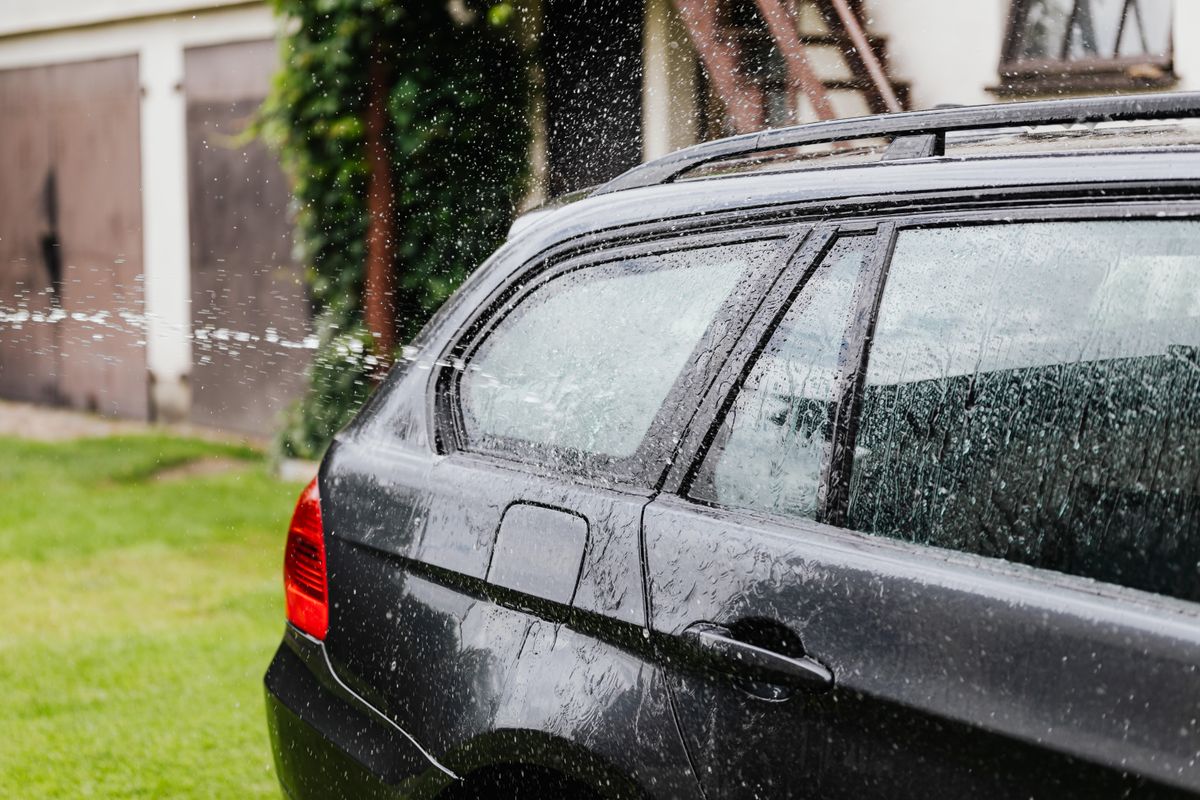
Photo by https://kaboompics.com/ on Pexels
The internal components of Cordless Pressure Washers will fail prematurely if the unit is not flushed with freshwater because residual salt in the pump housing causes internal pitting. You must run at least one gallon of clean, fresh water through the intake hose and pump immediately after the job is finished. Some users attempt to use 'salt-neutralizing' additives, but these are secondary to a mechanical flush.
HAVA guides on deep cleaning portable machinery emphasize that keeping all areas of a device clean is the only way to ensure longevity. Specifically, HAVA notes that deep cleaning all areas of a portable machine is necessary to maintain performance. For cordless washers, this includes the intake filter, which often traps salt crystals or sand. I'll change my mind about the necessity of immediate flushing when manufacturers start using 100% ceramic or high-grade 316 stainless steel for every internal valve and spring in a consumer-grade unit, but until then, the pump remains the weakest link.
Quick answers
Q: Can I use seawater in my cordless pressure washer? / A: Never draw seawater directly into the pump as the 3.5% average salinity will cause immediate internal corrosion and void most warranties. Always use a dedicated freshwater bucket or a portable tank as your source.
Q: What is the best nozzle for rinsing salt off a boat? / A: A 25-degree fan nozzle is the standard choice because it provides enough impact to dislodge salt without the risk of stripping gelcoat or decals. This is a safer alternative than the high-pressure settings used for 5-step mud removal for mountain bikes.
Q: How do I prevent salt from clogging the spray wand? / A: After use, submerge the wand tip in a bucket of warm freshwater; TikTok creator lori.lulu.209 suggests using a filter or 'sock' on intake lines to prevent debris from entering the system, which is equally applicable to preventing salt particulates from settling in the nozzle.
Q: Is it safe to use these washers on carbon fiber boat parts? / A: Yes, provided you observe the same safe PSI levels for carbon fiber bike frames, generally staying below 1500 PSI to avoid delamination of the resin layers.
Learn more about Cordless Pressure Washers at https://cordlesspressurewasher.com.
Sources
Photo by Peter Dyllong on Pexels
- How to Clean a Portable Washing Machine: Step-by-Step Guide
- How to properly use a portable washer to avoid stiff clothes and lint?
- How to Deep Clean a Portable Washing Machine? - HAVA